
Alite
•
February 19, 2026
•
4 minutes


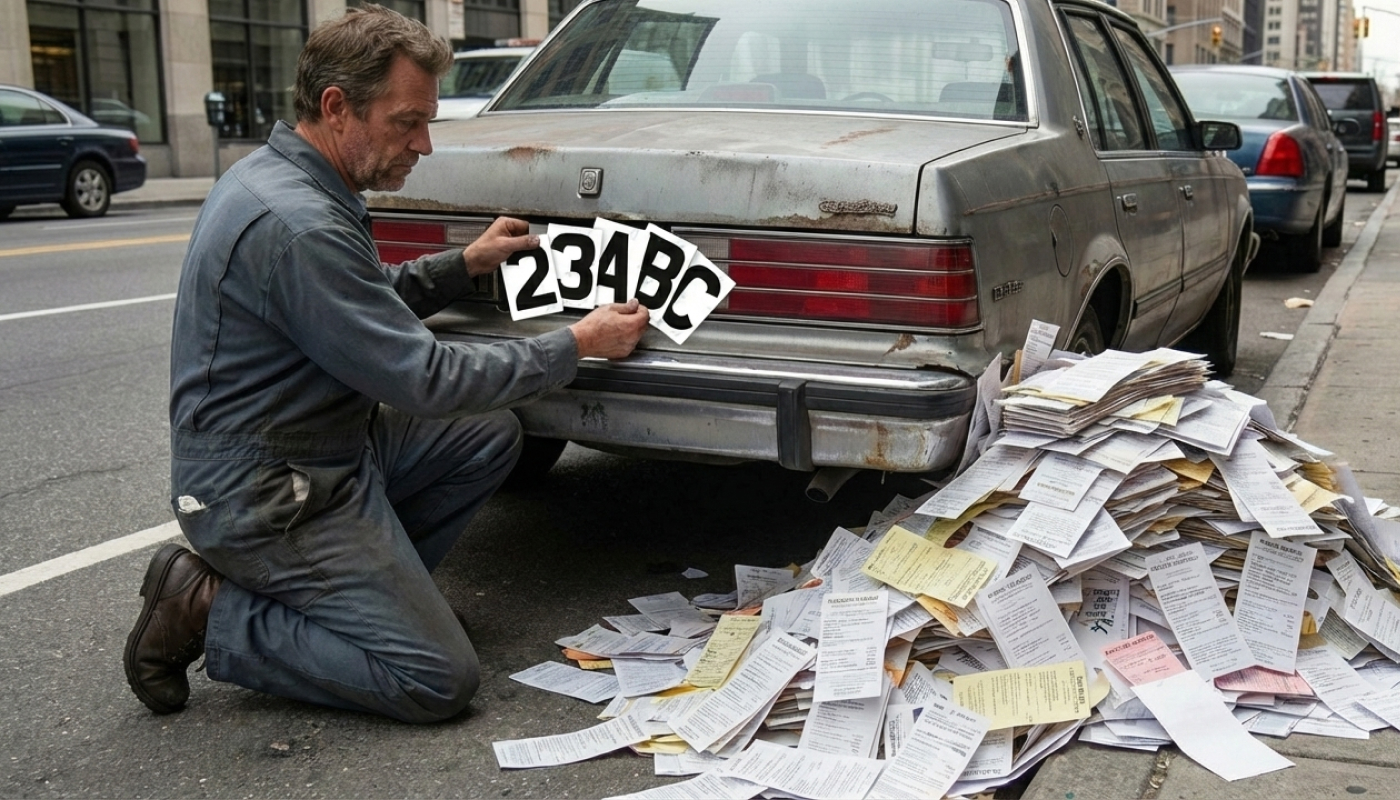
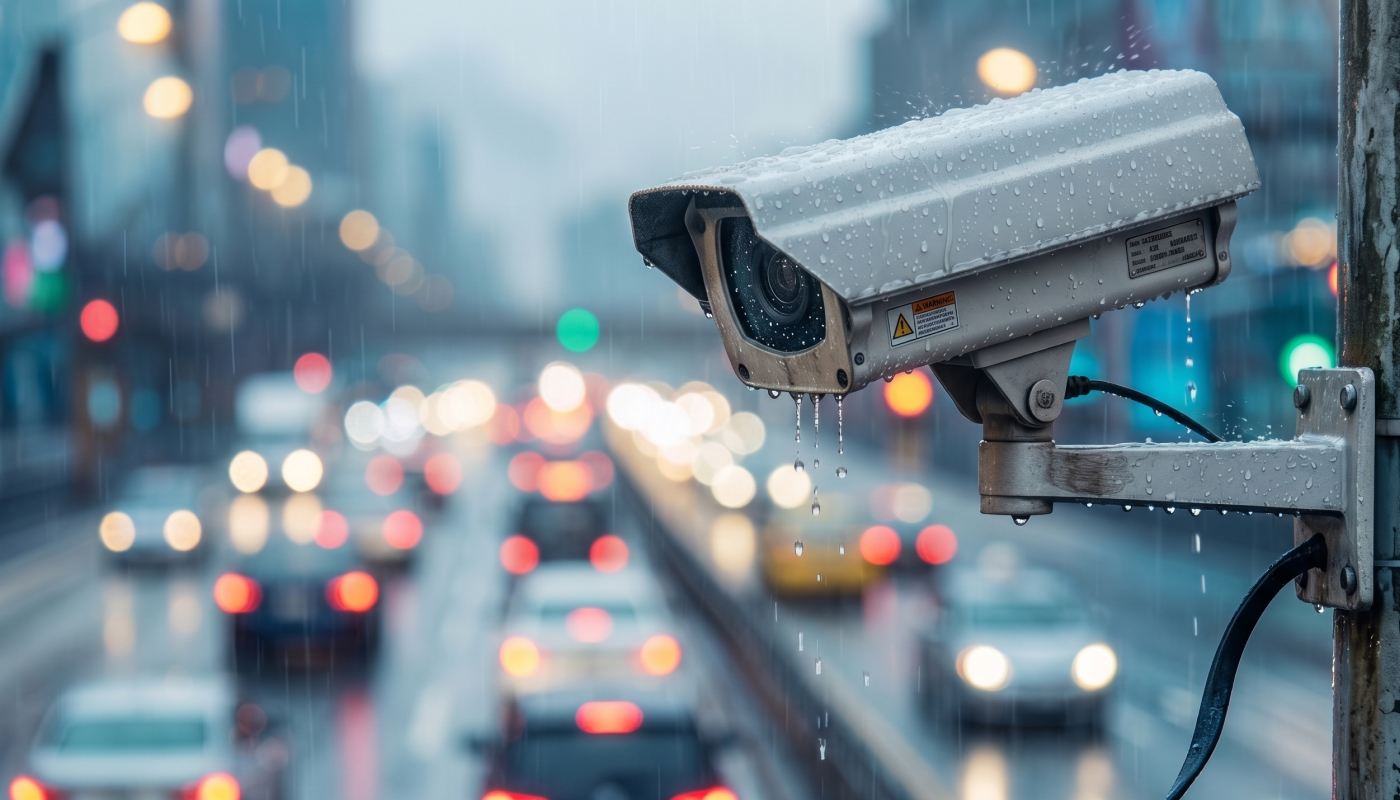
Modern road infrastructure has changed the relationship between drivers and visibility. Vehicles are no longer observed only by people, but constantly scanned by automated systems that collect, store, and process plate data. In this environment, license plate film has become a subject of experimentation for drivers seeking more control over how their vehicles are perceived.
The interest is not rooted in aesthetics, but in behavior. Drivers are responding to a landscape where cameras operate continuously and invisibly. Plate films represent a surface-level method of influencing how identification systems interact with the vehicle, without changing its physical structure or appearance.
A nanofilm license plate approach reflects a broader trend toward material-based solutions rather than mechanical ones. Instead of adding moving parts or bulky attachments, nanofilms operate at a microscopic level, affecting how light interacts with the plate surface.
Drivers experiment with nanofilms because they preserve the original look of the plate while subtly modifying optical behavior. There is no change in shape, spacing, or mounting-only in surface interaction. This makes nanofilm solutions appealing to those who prefer minimal intervention and clean integration.
From a technical standpoint, nanofilms represent an evolution in surface engineering. They allow drivers to explore new ways of managing visibility without altering the vehicle’s design language.
The concept of an anti camera license plate sticker is closely tied to the idea of regaining control. Cameras operate automatically, without feedback or transparency, which creates a sense of asymmetry between infrastructure and driver.
Stickers and films are seen as tools that rebalance this dynamic. Rather than reacting after data is collected, drivers explore proactive surface solutions that influence how their plates are captured in the first place. The appeal lies less in certainty and more in participation-having an active role instead of being a passive subject of observation.
This experimentation is also driven by curiosity. Drivers test how different materials behave under headlights, infrared illumination, and varied angles, seeking to understand the boundaries of modern plate recognition.
The idea of an invisible licence plate is often misunderstood. In practice, invisibility is not absolute. It refers to altered interaction with certain sensing conditions rather than disappearance.
Drivers are drawn to this concept because visibility today is contextual. A plate may be clearly readable to the human eye yet behave differently under automated illumination. Films that influence contrast or reflection tap into this gap between human perception and machine interpretation.
This psychological aspect is important. The experimentation is not always about achieving a specific outcome, but about exploring how much visibility is negotiable in a system designed for constant observation.
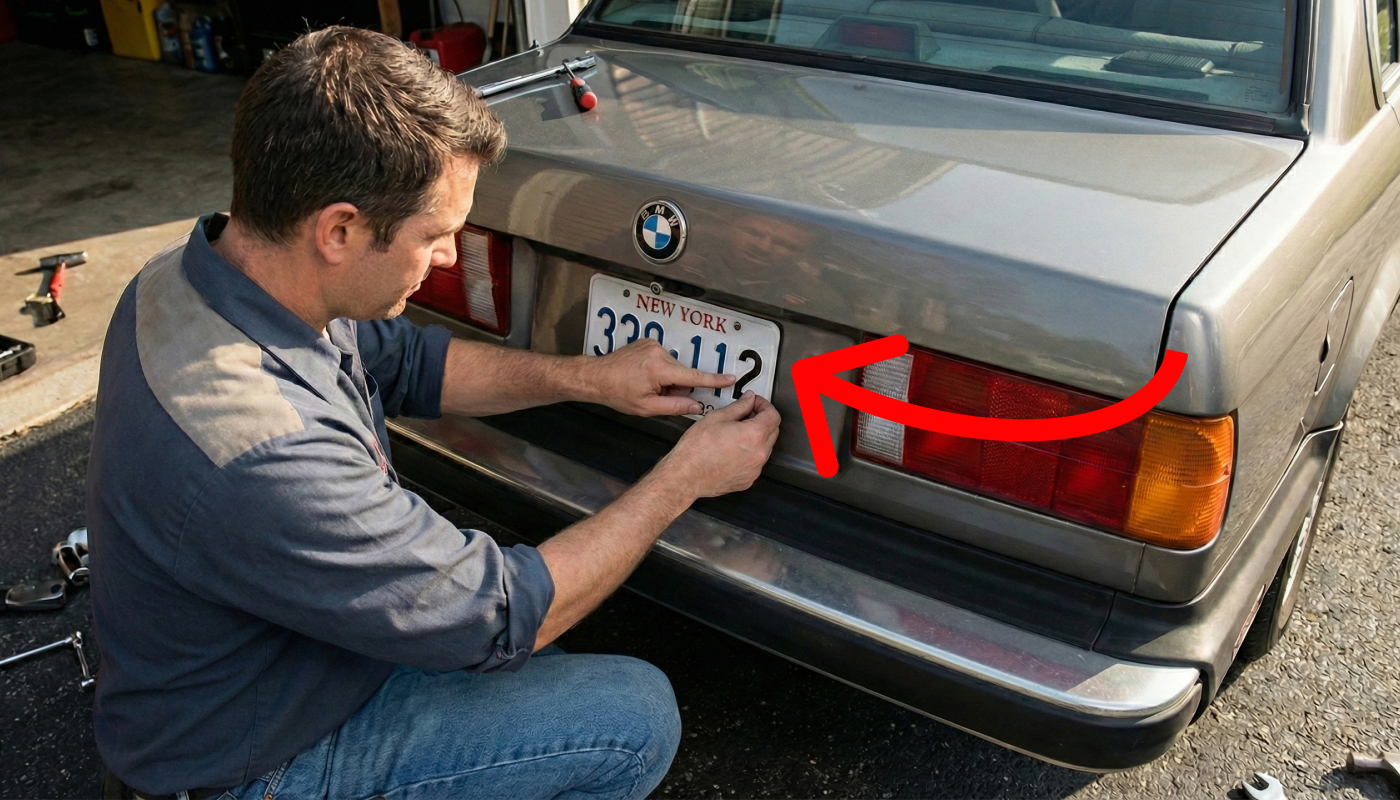
Interest in phantom plates has grown alongside online communities and shared experiences. Videos, forums, and social platforms amplify stories about how plates appear under different cameras, often blurring the line between myth and material science.
Drivers encountering these narratives are motivated to test claims for themselves. This leads to experimentation with films, stickers, and surface treatments, even when results vary widely depending on conditions.
Key motivations behind this experimentation include:
The phenomenon is less about guaranteed outcomes and more about exploration within a rapidly evolving surveillance environment.
At a broader level, license plate film experimentation reflects a cultural shift. As monitoring becomes more embedded into everyday driving, drivers seek subtle ways to assert autonomy without overt disruption.
Films are attractive because they operate quietly. They do not announce themselves, change vehicle form, or require interaction once applied. This aligns with a preference for low-profile solutions in an environment where attention itself feels intrusive.
From a technical perspective, films allow drivers to engage with the same variables that cameras rely on-light, contrast, and reflection using material properties rather than mechanical action.
Drivers experiment with nanofilm license plate solutions, stickers, and related concepts not because of novelty, but because the road itself has changed. Continuous scanning has transformed plates from simple identifiers into active interfaces between vehicle and infrastructure.
Whether motivated by curiosity, privacy concerns, or technological interest, this experimentation highlights a growing awareness of how visibility works in a machine-observed world. Concepts like phantom plates and invisible surfaces represent attempts to understand and navigate that reality.
Ultimately, license plate films are less about hiding and more about questioning assumptions-about who sees, how they see, and whether drivers have any say in that process.
Car
Nanofilm
Vehicle
Written by Alite
Read more
We cover privacy tech, license plate protection & smart ways to stay off surveillance. No gimmicks — just real tools that work. Explore more:
MORE FROM ALITE
Made by drivers, for drivers










Comments
Aaron Mitchell
21 February 2026
Strong psychological angle on visibility.
Claire Donovan
22 February 2026
Interesting take on material science vs surveillance.
Ethan Brooks
23 February 2026
Feels analytical rather than promotional