
Alite
•
April 2, 2026
•
4 minutes


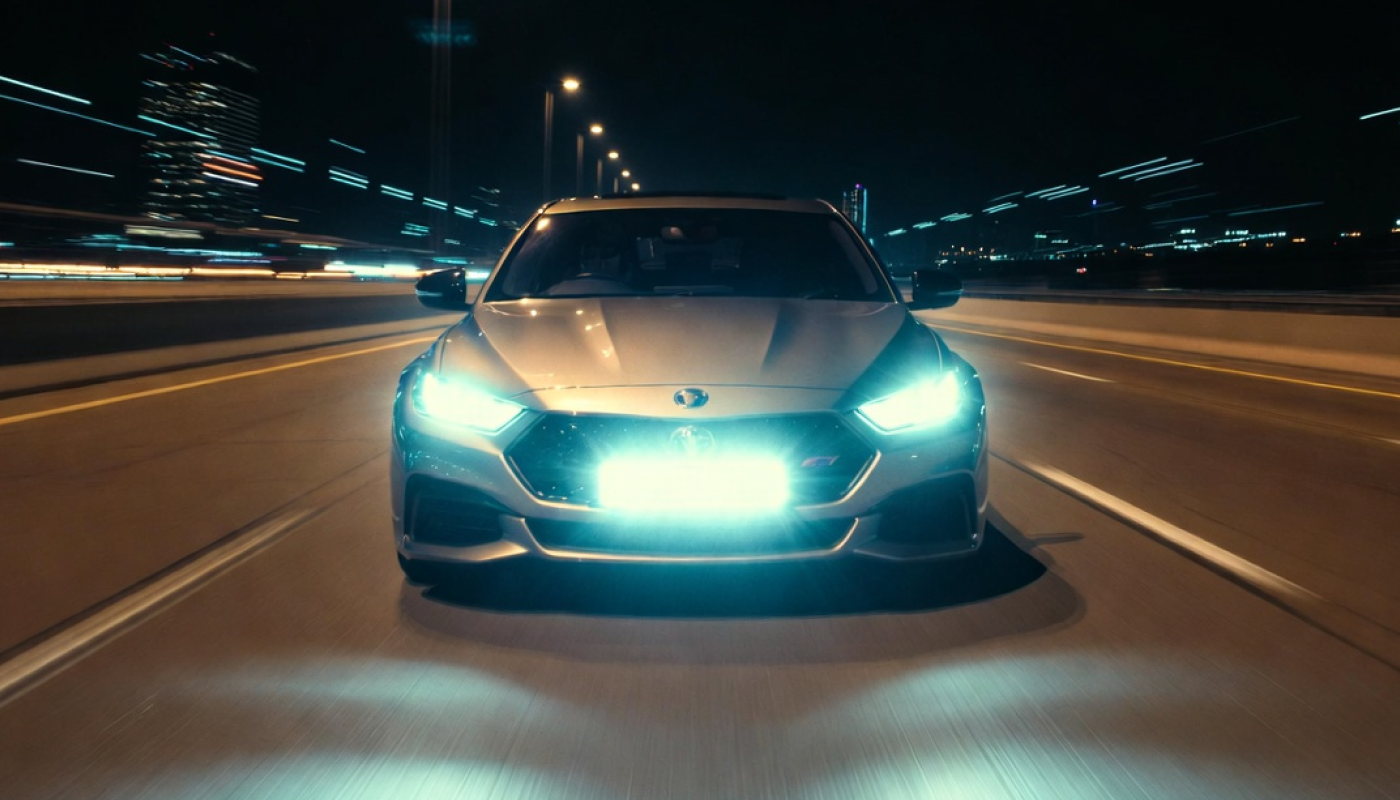
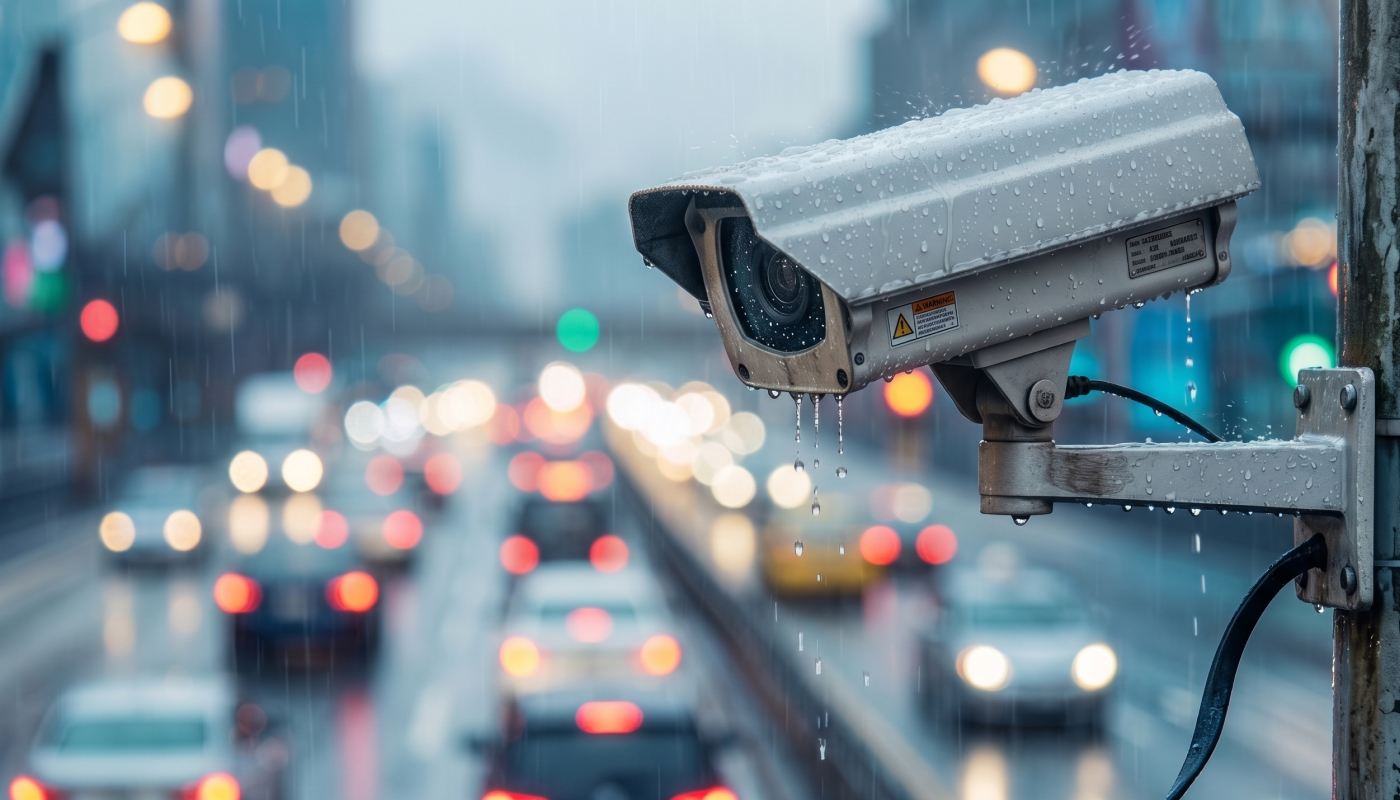
As traffic monitoring systems become more advanced, riders are increasingly interested in how license plates are captured in real-world conditions. This has led to a new wave of social experiment formats, where technology is tested not in labs, but directly in live traffic.
An anti radar sticker is often used in these scenarios not as a concealment tool, but as a way to explore how controlled optical design affects camera capture. These tests focus on how plates behave under real variables such as speed, angle, and lighting intensity.
Unlike isolated testing environments, a real social experiment introduces multiple dynamic factors. Traffic density, reflections from surrounding vehicles, and changing light sources all contribute to a more realistic understanding of how optical surfaces interact with camera systems.
To evaluate how anti radar stickers perform, riders follow a consistent and repeatable testing method. The goal is to compare how a plate behaves with and without optical enhancement under similar conditions.
Typical test structure includes:
This structured approach allows the anti radar sticker to be evaluated as an engineered optical layer rather than a random variable.
Beyond technical analysis, these tests also function as psychological experiments. Riders naturally adjust their behavior when they are aware of monitoring systems.
This creates an important layer of insight. A social experiment in traffic reflects both human adaptation and technological response. The interaction between rider behavior and camera systems becomes part of the overall result.
When analyzing real-world footage, the key observation is not inconsistency, but controlled optical response. An anti camera license plate sticker introduces subtle variations in how light is reflected, especially under flash conditions.
Key observed effects include:
These effects are not random. They are the result of how the optical surface is designed to interact with light. In real traffic, where multiple light sources are present, the performance of an anti camera license plate sticker becomes even more noticeable.
In controlled conditions, lighting and angles are predictable. In real traffic, however, the environment is constantly changing. Headlights, streetlights, reflections, and speed all influence how a plate is captured.
An anti radar sticker is designed to operate within these variables. Instead of producing a fixed outcome, it adapts to changing conditions by influencing how light is returned to the camera sensor.
This is where the value of a social experiment becomes clear. It highlights how engineered optical behavior performs in real-world scenarios rather than ideal conditions.
At the same time, psychological experiments show that rider behavior also plays a role. Smooth movement, stable positioning, and consistent speed enhance how these optical effects are expressed in captured data.
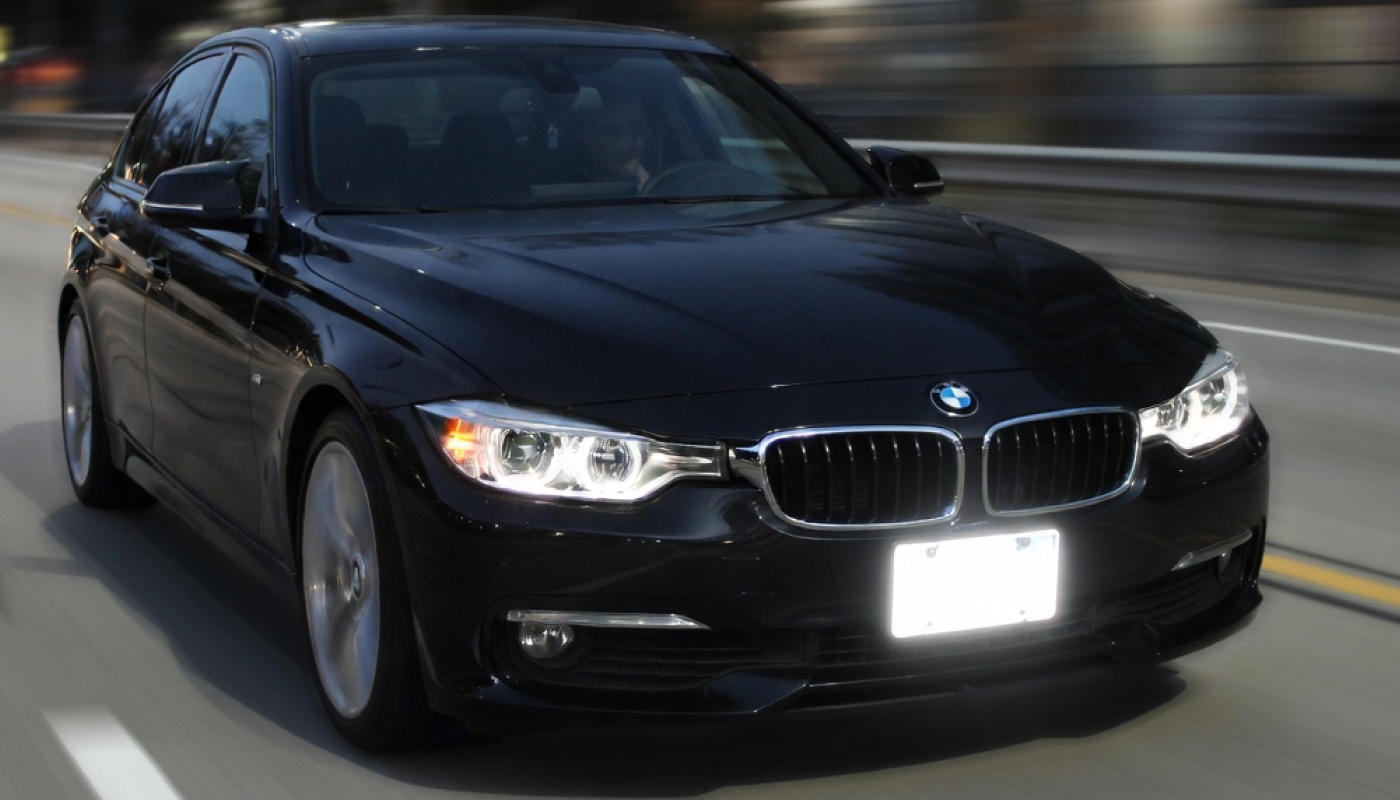
Alite Nanofilm is frequently used in these experiments because it integrates directly into the plate surface as an anti camera license plate sticker, without altering its visible appearance.
Key practical advantages include:
An anti radar sticker like Alite Nanofilm demonstrates how controlled optical design can influence how license plates are captured in real traffic.
Rather than relying on mechanical solutions or visible modifications, it works at the level of light behavior. This makes it especially relevant for modern environments where camera systems depend on predictable reflection.
In the context of evolving road infrastructure, these social experiment results show that small, engineered changes in surface properties can have a measurable impact on how plates are interpreted.
By combining structured psychological experiments, real traffic testing, and advanced optical design, solutions like Alite Nanofilm represent a modern approach to interacting with automated camera systems.
Car
Vehicle
Nanofilm
Written by Alite
Read more
We cover privacy tech, license plate protection & smart ways to stay off surveillance. No gimmicks — just real tools that work. Explore more:
MORE FROM ALITE
Made by drivers, for drivers




Comments
Markus_3i348
4 April 2026
Test looks realistic, especially under flash.
Wonder_wonder232323223
5 April 2026
Angle and speed clearly change capture.
Liaaaaaaam
8 April 2026
Interesting how light reflection is controlled.