

Alite
•
March 3, 2026
•
3 minutes


Automotive privacy has become a central topic in a world defined by transparency and constant data exchange. Vehicles are no longer anonymous mechanical objects; they function as moving identifiers within digital infrastructure. The phrase invisible number plate reflects a growing desire among drivers to reduce automated traceability without altering the visible character of their cars.
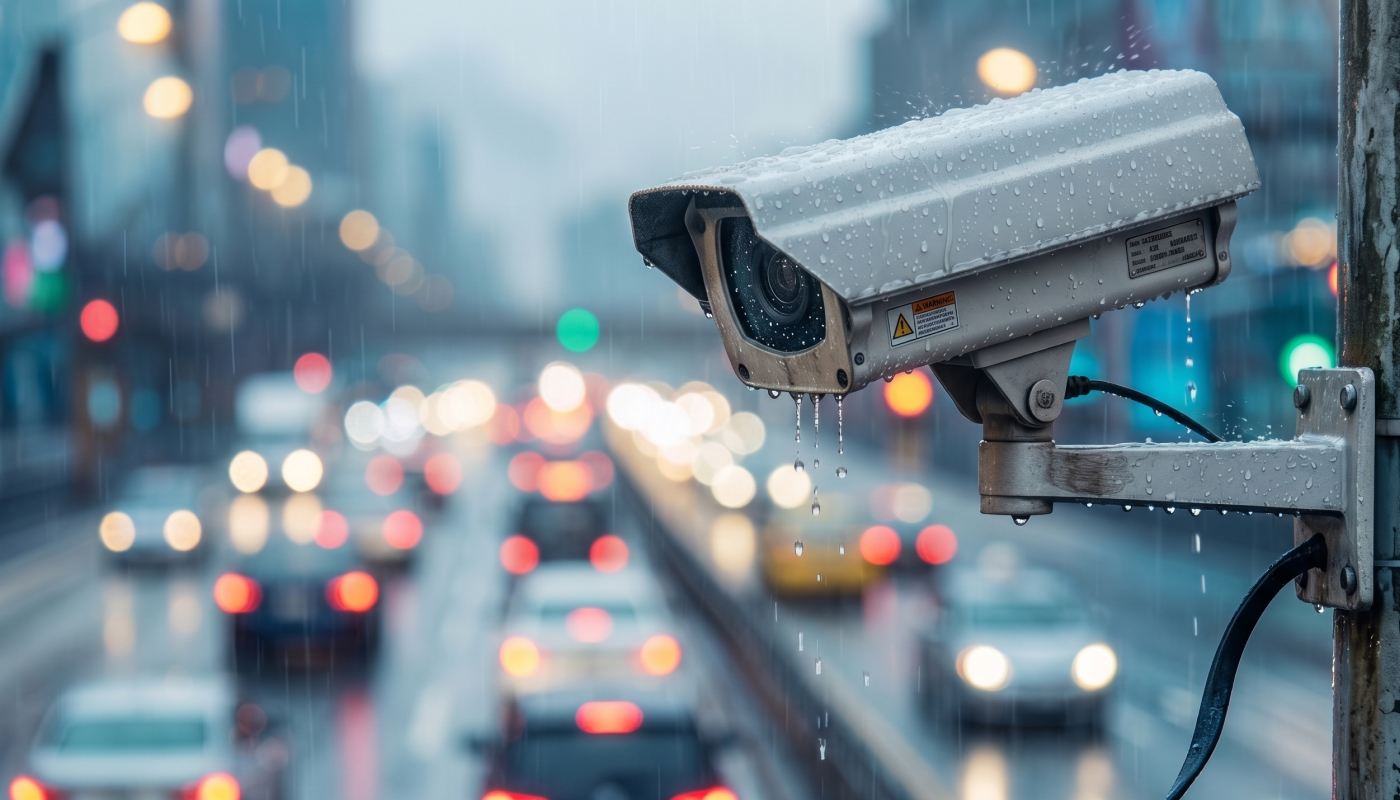
Modern traffic systems rely on infrared illumination, high-resolution imaging, and database synchronization. Every reflective license plate becomes a data entry point. In this context, privacy discussions shift from physical concealment to optical interaction - how materials respond to light and machine interpretation.
In earlier decades, privacy meant avoiding physical identification. Today, it involves understanding how surveillance systems extract information. Instead of dramatic structural modifications, subtle surface engineering plays a larger role in shaping vehicle-data interaction.
A traditional licence plate hider often relied on mechanical obstruction - flaps, tinted covers, or removable hardware. While visually apparent, these solutions disrupted factory alignment and sometimes amplified glare under flash conditions.
Contemporary approaches focus on maintaining visual consistency while influencing reflective behavior. Rather than blocking visibility, nano-layer materials adjust how infrared light returns to automated lenses. This aligns with modern automotive minimalism, where form and function integrate seamlessly.
The evolution from visible hardware to surface-level refinement reflects broader design philosophy: privacy without distortion.
The concept of the anti radar sticker has evolved alongside digital infrastructure. Originally associated with speed detection devices, it now intersects with optical engineering aimed at influencing infrared readability.
Advanced nano-structured films operate at the microscopic scale, diffusing reflective return without adding thickness. This shift emphasizes physics over mechanics. The goal is not dramatic invisibility, but modulation of contrast resolution in automated capture.
Alite Nanofilm exemplifies this approach. Designed as a nanofilm license plate solution, it integrates directly with the reflective coating of the plate surface, maintaining appearance while modifying infrared interaction.

The term Phantom plates often suggests complete disappearance from camera systems. In reality, total invisibility is unrealistic within dense surveillance networks. Automated recognition systems use multiple frames, angle compensation, and adaptive contrast algorithms.
However, altering reflective uniformity can influence edge clarity and contrast stability. Rather than eliminating visibility, nano-layer materials can reduce optimal imaging conditions for machine capture. This represents a nuanced understanding of privacy - not erasure, but subtle interaction.
An invisible number plate in the modern sense is about limiting automated precision, not avoiding human observation. As smart city infrastructure expands, vehicles become part of interconnected monitoring grids.
Surface-based optical solutions respond to this environment by:
These characteristics support aesthetic continuity while acknowledging digital realities.
As transparency becomes embedded in urban mobility, drivers increasingly consider how materials influence machine perception. The nanofilm license plate approach represents a shift from mechanical concealment toward surface-level intelligence.
Alite Nanofilm demonstrates how nano-engineered layers adapt to automated recognition systems without altering the visible identity of the vehicle. In a transparent world, privacy is no longer about disappearance - it is about controlled interaction between light, material, and digital interpretation.
Automotive privacy in the modern era is therefore less about hiding and more about understanding. By focusing on reflective physics and surface engineering, innovation aligns with evolving infrastructure while preserving the clean lines and intentional design language of contemporary vehicles.
Car
Vehicle
Nanofim
Written by Alite
Read more
We cover privacy tech, license plate protection & smart ways to stay off surveillance. No gimmicks — just real tools that work. Explore more:
MORE FROM ALITE
Made by drivers, for drivers











Comments
Ethan Wallace
3 March 2026
Strong perspective on optical privacy vs mechanical solutions
Chloe Bennett
5 March 2026
Well explained shift from concealment to surface engineering.
Lucas Harrington
13 March 2026
Clear and balanced take on modern automotive privacy.