

Alite
•
April 17, 2026
•
4 minutes


Human vision and license plate readers operate on completely different principles. A person sees a license plate based on visible light, color contrast, and contextual recognition. Cameras, on the other hand, rely on structured data capture and algorithmic interpretation. Understanding how ALPR works explains why plates that look normal to the human eye can appear completely different to automated systems.
ALPR (Automatic License Plate Recognition) systems capture images using high-speed sensors combined with infrared illumination. Instead of “seeing” a plate, they analyze reflected light patterns and convert them into machine-readable data. This process includes image capture, contrast enhancement, and character recognition using OCR (optical character recognition).
Because of this, what appears clear and readable to a person may not produce the same result for a camera. Human perception is adaptive and can recognize partially obscured symbols, while ALPR systems depend on precise pixel-level consistency.
Unlike human vision, license plate readers are highly dependent on infrared light. Many systems actively emit IR illumination to ensure consistent visibility regardless of time of day.
This creates a key difference. Humans see color and brightness in the visible spectrum, while cameras prioritize reflectivity under infrared. As a result, surfaces that look identical to the eye may behave very differently under camera analysis.
A license plate film interacts directly with this layer. Instead of changing how the plate looks in normal light, it influences how light is reflected back to the sensor. This is why certain plates may appear standard in person but behave differently when captured by ALPR systems. Even minor changes in reflectivity can significantly impact how the system isolates characters from the background.
The concept of a license plate invisible to camera is not about physical invisibility. It is about disrupting the data that cameras rely on.
ALPR systems require:
If any of these elements are altered, recognition accuracy can decrease. A surface modification, such as a license plate film, changes how light is returned to the camera, which directly affects the input data used for processing.
Additionally, ALPR algorithms rely on predictable patterns. When these patterns are disrupted, even slightly, the system may fail to correctly interpret the plate despite capturing the image.

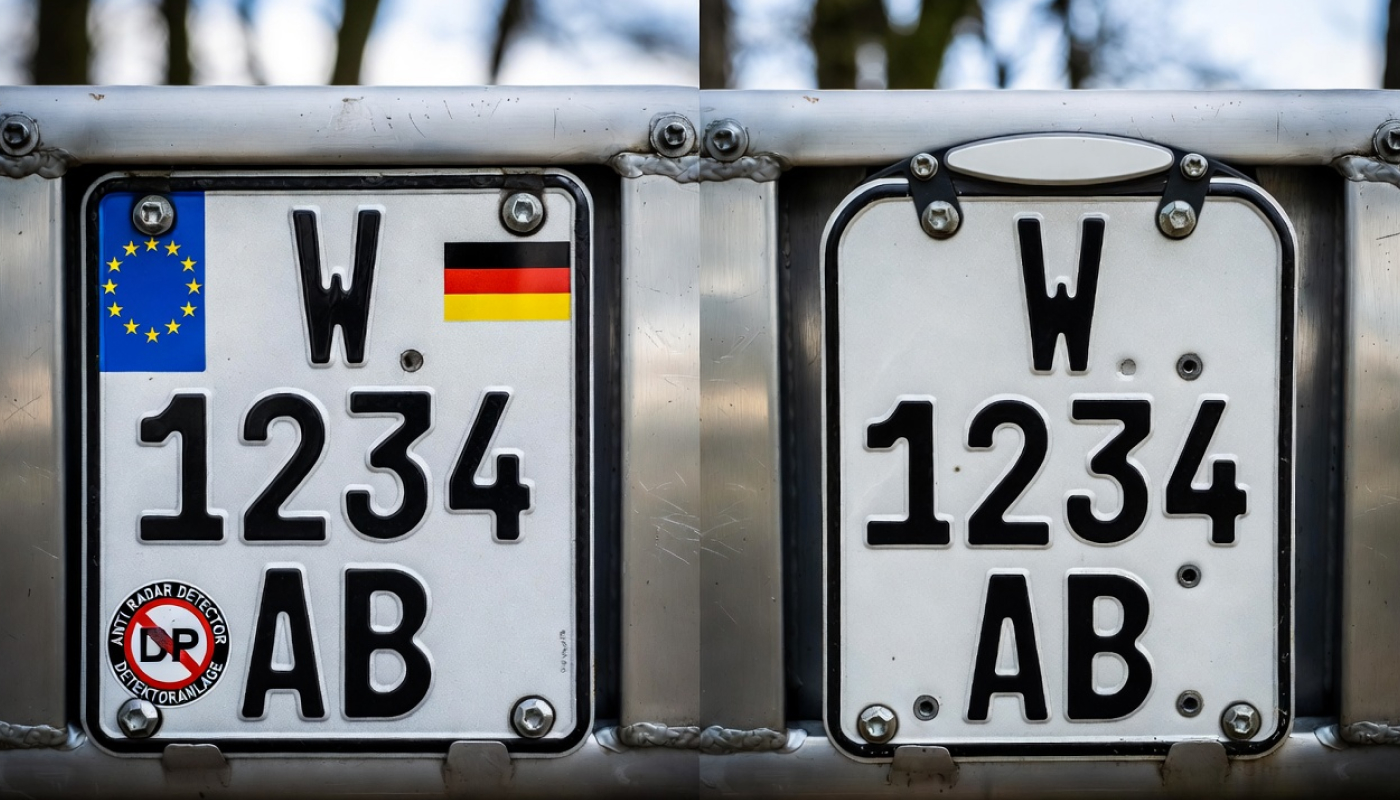
An anti radar sticker works within this difference between human and machine perception. It does not attempt to hide the plate physically but instead affects how it is interpreted by automated systems.
When applied, the plate maintains its visual appearance for human observers. However, under infrared capture, the reflective properties change. This alters how the camera processes contrast and character edges.
In practical terms, this means that the system receives modified data rather than a clear representation of the plate. This difference is subtle but critical in understanding why perception-based solutions behave differently from physical obstructions. Over repeated captures, this effect can lead to inconsistent recognition results.
Car
Vehicle
Nanofilm
Written by Alite
Read more
We cover privacy tech, license plate protection & smart ways to stay off surveillance. No gimmicks — just real tools that work. Explore more:
MORE FROM ALITE
Made by drivers, for drivers







Comments
techdriver
19 April 2026
Didn’t realize cameras rely so much on IR, that explains a lot
Opticsguy
20 April 2026
Good breakdown of human vs ALPR vision, super clear
21 April 2026
Makes sense why plates can look fine but still confuse systems