
Alite
•
April 4, 2026
•
4 minutes


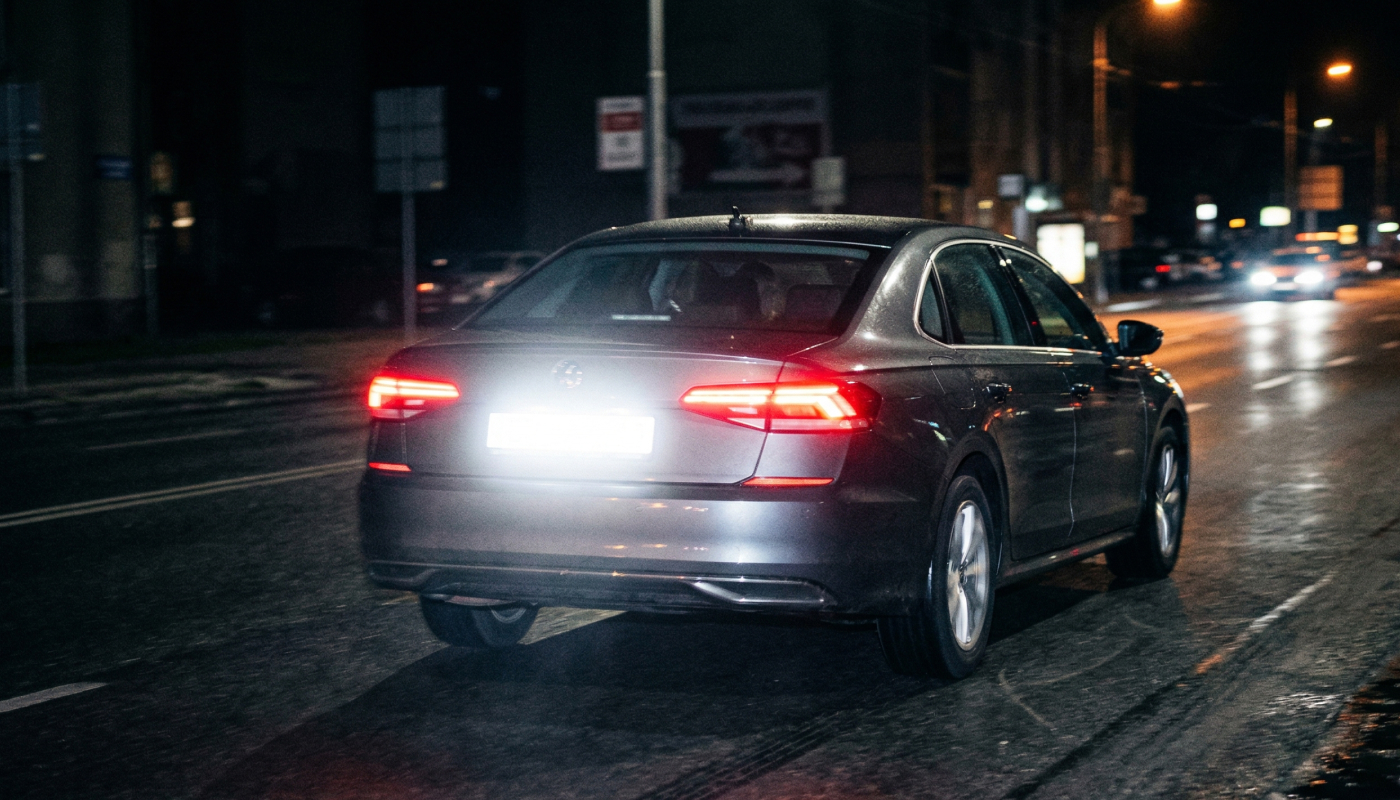
Night conditions are often seen as an advantage when it comes to avoiding camera detection. Lower visibility, artificial lighting, and reduced contrast create the impression that plates become harder to capture. To test this assumption, a real-world social experiment was conducted during nighttime traffic.
The focus was not only on visibility, but on how light behaves at night. Headlights, infrared flash, and reflections from surrounding surfaces all influence how a plate is recorded. This is where the concept of an invisible number plate becomes relevant-not as literal invisibility, but as a change in how the plate is interpreted by cameras.
Unlike daytime tests, this social experiment introduced extreme variations in lighting. This made it possible to observe how systems respond when visual conditions are less stable.
During the experiment, riders reported feeling less visible at night. These psychological experiments showed that reduced ambient light creates a false sense of reduced detection.
However, actual camera data revealed something different. Systems using infrared illumination maintained high capture accuracy regardless of darkness.
This contrast between perception and reality is a key finding. A social experiment at night highlights how human assumptions often differ from how technology operates.
At night, plates are not captured using ambient light but through active illumination. Cameras emit controlled flashes or infrared signals, which interact with the plate surface.
This means that even in low-light environments, systems remain effective. A license plate camera blocker approach cannot rely on darkness alone.
The most critical moment in night capture is the flash event. When the camera emits light, the plate reflects it back to the sensor.
With a standard surface, this reflection is uniform and predictable. However, with an anti camera license plate sticker, the behavior changes.
Key optical responses include:
These effects do not make the plate invisible but influence how it is processed. This is where the idea of an invisible number plate becomes more technical than visual.
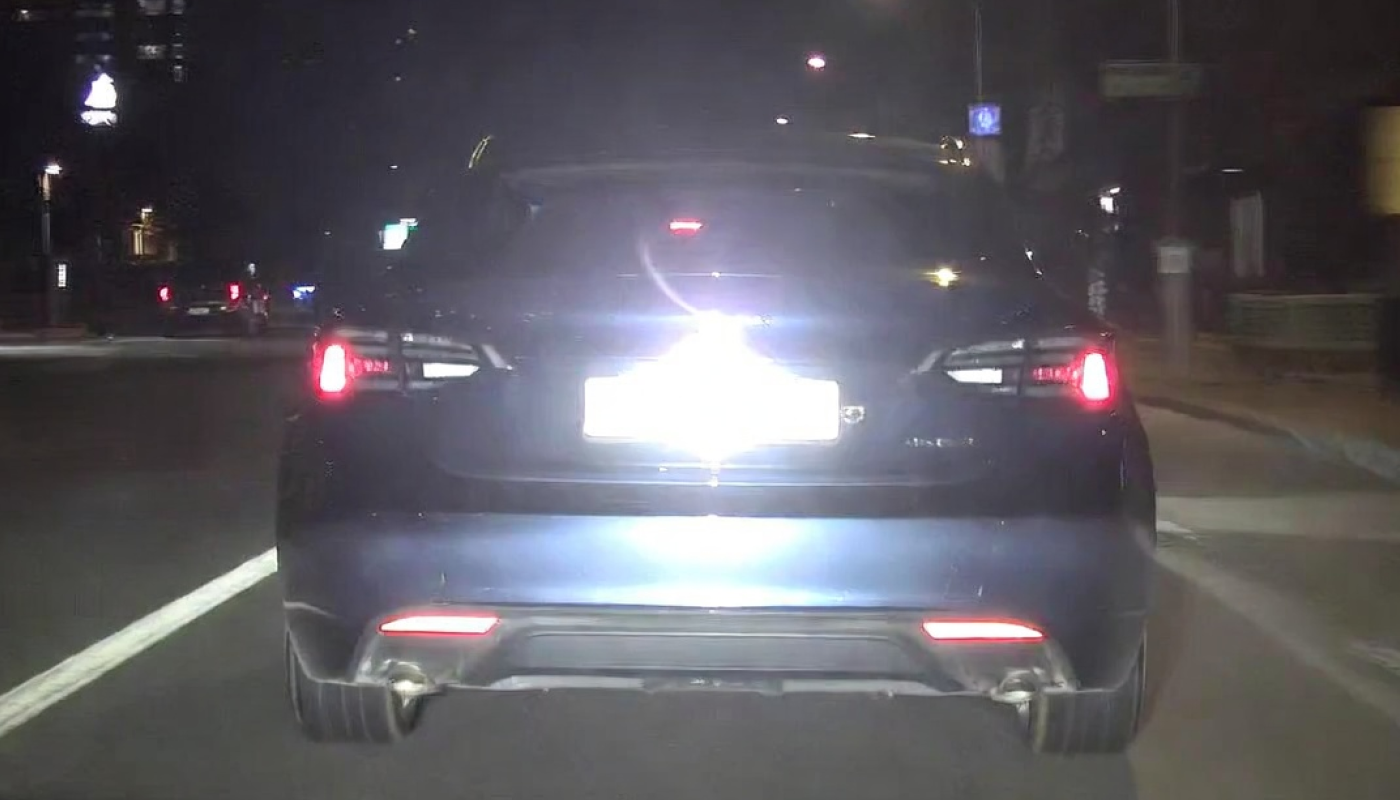
At night, the contrast between light and darkness becomes more extreme. This makes any variation in reflection more noticeable to camera systems.
A license plate camera blocker based on optical design benefits from this environment. When the system expects a strong, uniform reflection but receives a controlled variation, processing becomes more complex.
This is why psychological experiments often show stronger perceived effects at night. The difference between expected and actual reflection increases under flash conditions.
The social experiment confirms that night does not reduce detection-but it changes how light interaction behaves.
Alite Nanofilm is designed specifically for these conditions. As an anti camera license plate sticker, it modifies how light is reflected under both flash and infrared.
Key advantages observed at night:
Instead of trying to create a fully invisible number plate, Alite Nanofilm works by managing optical response. This makes it more aligned with how modern camera systems operate.
In real-world conditions, this approach delivers more predictable results than relying on darkness alone.
The night driving social experiment leads to a clear conclusion: darkness does not prevent detection. Cameras are designed to operate independently of ambient light.
What matters is how the plate interacts with active illumination. This is where engineered solutions outperform assumptions.
By combining insights from psychological experiments and real traffic testing, it becomes clear that optical design-such as Alite Nanofilm-offers a more advanced way to influence how plates are captured at night.
Car
Vehicle
Nanofilm
Written by Alite
Read more
We cover privacy tech, license plate protection & smart ways to stay off surveillance. No gimmicks — just real tools that work. Explore more:
MORE FROM ALITE
Made by drivers, for drivers







Comments
Brandon Lee
8 April 2026
Interesting results night doesn’t work the way drivers expect.
Kevin Turner
6 April 2026
Good mix of real experiment and technical explanation.
Jason Cole
12 April 2026
Clear insight into how light actually affects camera capture.