
Alite
•
March 12, 2026
•
4 minutes


The use of car cameras in Germany is a complex topic because it intersects with privacy regulations and traffic monitoring technologies. Germany has some of the strictest data protection rules in Europe, which means that devices capable of recording public space are carefully regulated.
Dash cameras, for example, are allowed under certain conditions, but continuous recording that stores large amounts of footage may violate privacy laws. German courts have ruled that short recordings used as evidence in specific incidents can be acceptable, while permanent surveillance is discouraged.
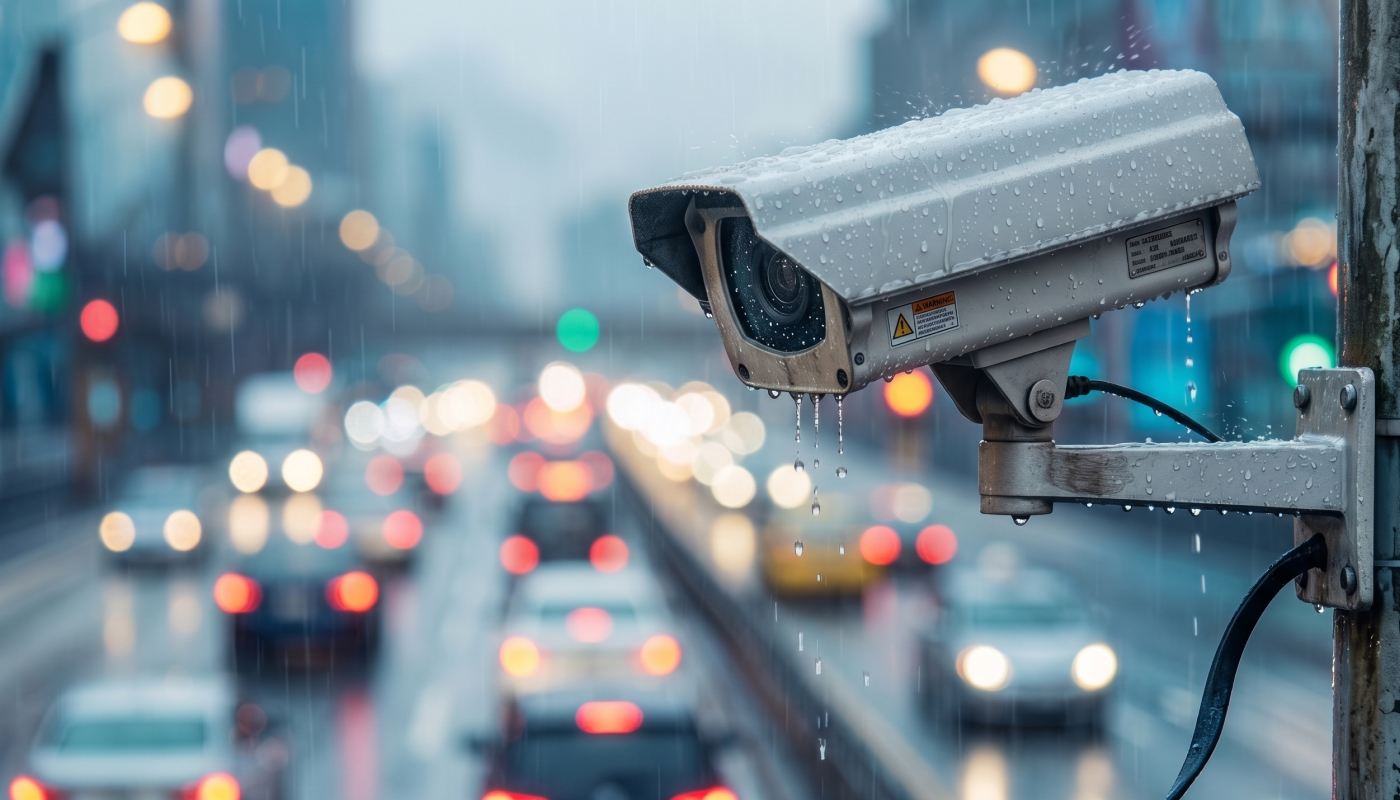
At the same time, road infrastructure across Germany increasingly relies on automated systems. Many traffic cameras and monitoring devices capture images of vehicles to enforce speed limits or monitor traffic flow.
Because of this environment, discussions about technologies like license plate film and other optical materials often appear among drivers interested in how license plates interact with cameras.
German speed enforcement systems typically rely on radar sensors or laser measurement combined with high-resolution cameras. Once a vehicle exceeds the speed limit, the system captures an image that clearly shows the license plate.
These cameras often use infrared flash to illuminate the reflective surface of the plate. This makes the characters stand out clearly against the reflective background.
This is the reason why technologies such as number plate film are sometimes discussed in automotive communities. These thin films interact with reflected light rather than physically covering the plate.
The idea behind an anti radar sticker is not related to radar signals themselves but rather to how light interacts with the surface of the license plate.
Modern camera systems rely heavily on infrared illumination. When the flash reflects from the plate, the camera sensor captures a very clear image of the characters.
An anti radar sticker attempts to alter how that reflected light behaves. By diffusing or scattering the infrared light, the captured image may appear different from what the human eye sees.
A license plate film is typically a thin optical layer applied directly to the plate surface. Unlike plastic covers or frames, this type of solution does not physically obstruct the plate.
Instead, it focuses on optical behavior. By interacting with the reflective coating of the plate, the film can influence how the camera sensor perceives the surface.
Common characteristics discussed for film-based solutions include:
Alite Nanofilm is an example of a number plate film technology designed to work at this surface level.
The term anti camera license plate sticker is frequently used in online automotive discussions. Drivers exploring camera interaction technologies often refer to thin films or coatings applied directly to the plate.
These solutions are typically preferred over mechanical devices because they do not change the appearance of the vehicle.
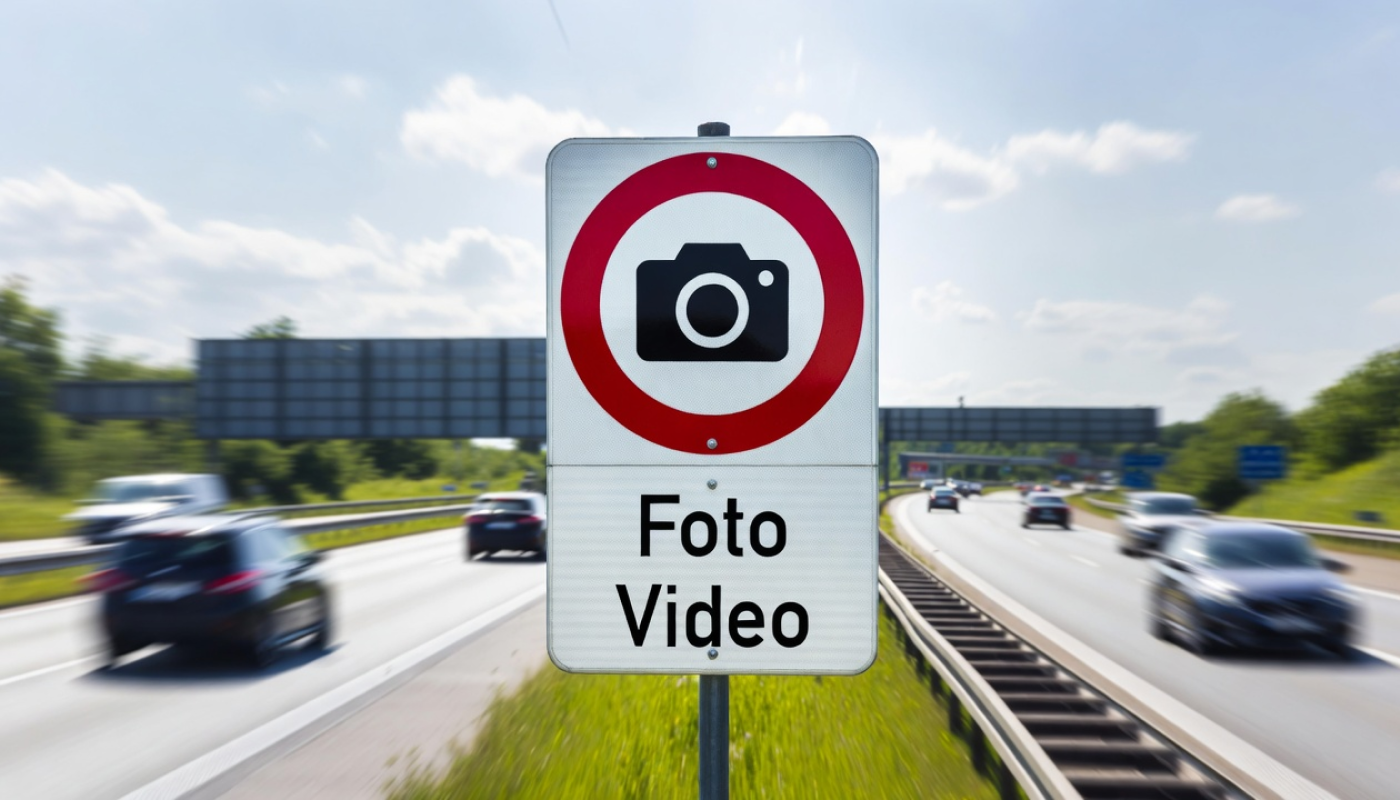
One of the most popular ideas discussed online is the concept of making a license plate invisible to camera systems. In reality, completely hiding a license plate from modern recognition technology is extremely difficult.
Automated recognition systems analyze more than just a simple photograph. They examine plate shape, character spacing, and formatting rules.
Even when an image is partially distorted, the software may still reconstruct the plate number.
Factors influencing recognition include:
Because modern recognition systems use multiple layers of analysis, they are designed to identify plates under many different conditions.
As automated monitoring systems expand across Europe, drivers are becoming more aware of how license plates interact with cameras. Discussions about license plate film, anti radar sticker, technologies reflect this growing interest.
Modern material science continues to explore ways to influence how reflective surfaces behave under infrared light. Technologies like Alite Nanofilm illustrate how nano-structured materials can interact with camera illumination while maintaining the original appearance of the license plate.
In the evolving landscape of traffic monitoring, the relationship between plate design, optical materials, and automated camera systems remains an active topic in automotive technology.
Car
Vehicle
Nanofilm
Written by Alite
Read more
We cover privacy tech, license plate protection & smart ways to stay off surveillance. No gimmicks — just real tools that work. Explore more:
MORE FROM ALITE
Made by drivers, for drivers










Comments
RoadGuy92
17 March 2026
Didn’t know Germany had such strict rules about car cameras. Interesting read.
Turbo Mike
15 March 2026
Those speed cameras with infrared flash are everywhere now. Makes sense how they read plates so clearly.
NightDriverX
14 March 2026
I’ve heard about license plate film before but never understood how it works with cameras.