
Alite
•
March 12, 2026
•
4 minutes


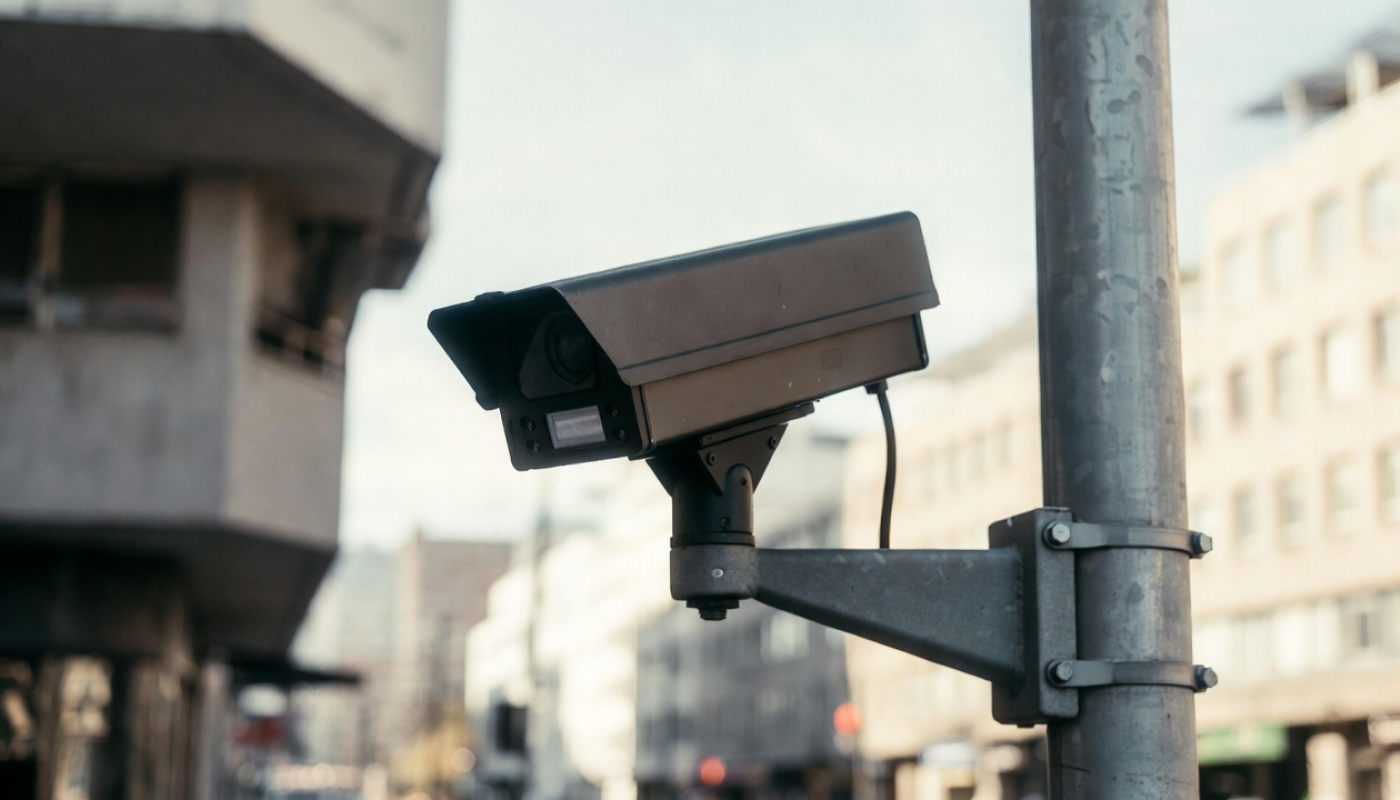
Modern license plate readers are designed to automatically capture and identify vehicle license plates using camera systems and recognition software. These technologies are widely used by transportation authorities and law enforcement agencies to monitor road activity and manage traffic infrastructure.
The primary purpose of license plate readers is to record plate numbers and connect them with specific locations and timestamps. When a vehicle passes a camera, the system captures an image and software converts the plate characters into digital text.
This information can be used for several operational tasks. For example, traffic monitoring systems can analyze vehicle movement patterns, identify stolen vehicles, or help reconstruct traffic incidents. In many regions, traffic cameras equipped with automated plate recognition are part of broader smart-city monitoring systems.
Because these technologies operate continuously, they can process thousands of vehicles per day while maintaining detailed records of passing traffic.
Automated traffic monitoring relies heavily on traffic cameras equipped with advanced imaging sensors. These cameras are optimized to capture reflective license plates under different lighting conditions and vehicle speeds.
When a vehicle passes through a monitored location, the camera system performs several actions in rapid succession:
The captured data is often stored in centralized databases where it can be analyzed or compared with existing records.
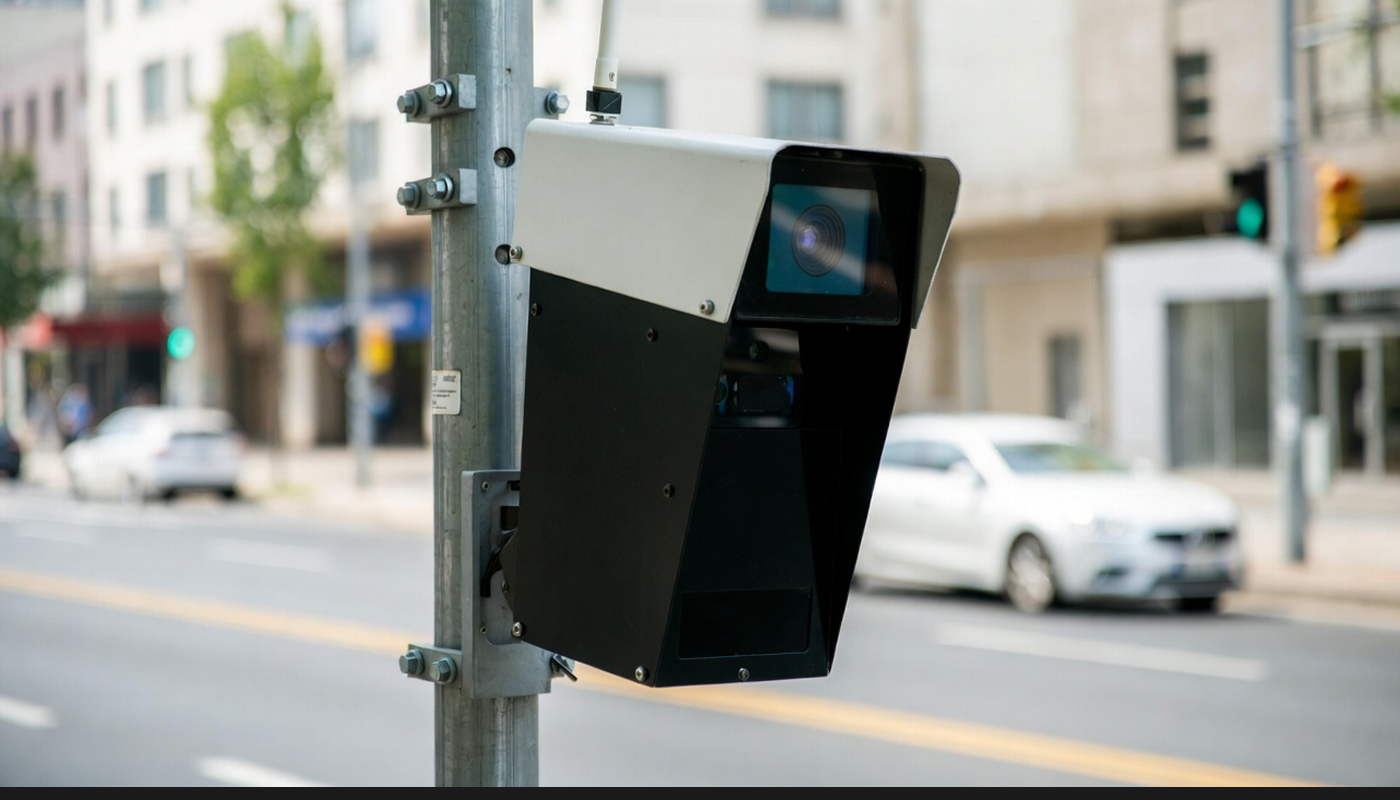
Because automated recognition systems are widespread, discussions about a license plate camera blocker frequently appear in automotive forums. Drivers sometimes explore technologies designed to influence how cameras capture reflective surfaces.
In many cases these solutions involve thin optical layers or materials applied directly to the plate surface. Rather than covering the plate physically, they attempt to alter how infrared illumination interacts with the reflective background.
Technologies like Alite Nanofilm are often discussed in this context. As a license plate cover for cameras, the film interacts with infrared light while preserving the original appearance of the plate.
The term ALPR blocker is commonly used to describe materials or accessories that influence automated license plate recognition systems. ALPR stands for Automatic License Plate Recognition, the technology behind most modern plate-reading cameras.
Drivers interested in plate privacy often discuss several types of solutions:
Because automated recognition relies heavily on contrast between the plate background and characters, altering the optical behavior of that surface becomes a topic of interest.
A license plate cover for cameras generally refers to technologies that interact with imaging systems rather than physically hiding the plate. Unlike traditional plastic covers, modern film-based solutions focus on optical physics.
These materials may influence how infrared illumination reflects back toward the camera sensor. By diffusing or redirecting that light, the captured image may appear different from what the human eye sees.
Alite Nanofilm is an example of such technology. The film integrates directly with the plate surface and uses nano-structured materials designed to interact with infrared illumination.
The growing presence of license plate readers has sparked conversations about vehicle privacy and camera interaction. As cities adopt more automated monitoring systems, interest in technologies like license plate camera blocker solutions continues to increase.
Rather than relying on mechanical devices, modern solutions often focus on advanced materials and optical engineering. Surface-level films and coatings can influence how light behaves when it strikes the reflective plate surface.
Innovations in nano-structured materials have expanded the possibilities for interacting with camera systems. Concepts related to an ALPR blocker often focus on controlling how infrared light reflects from the plate.
Because automated recognition depends on strong contrast between characters and reflective backgrounds, modifying this reflection can affect how cameras interpret an image.
As imaging systems continue to evolve, the relationship between traffic cameras, plate design, and optical materials will remain an active area of technological discussion. Products such as Alite Nanofilm illustrate how modern material science is being explored within the automotive accessory industry to interact with automated recognition systems.
Car
Vehicle
Nanofilm
Written by Alite
Read more
We cover privacy tech, license plate protection & smart ways to stay off surveillance. No gimmicks — just real tools that work. Explore more:
MORE FROM ALITE
Made by drivers, for drivers











Comments
Michael39333
14 March 2026
Didn’t know license plate readers scan plates so fast. Interesting.
Daniel K.
15 March 2026
There are so many traffic cameras now. Feels like they’re everywhere.
Mary Wicked
17 March 2026
I’ve heard about plate films before. Didn’t know how they work with cameras.