
Alite
•
February 16, 2026
•
4 minutes


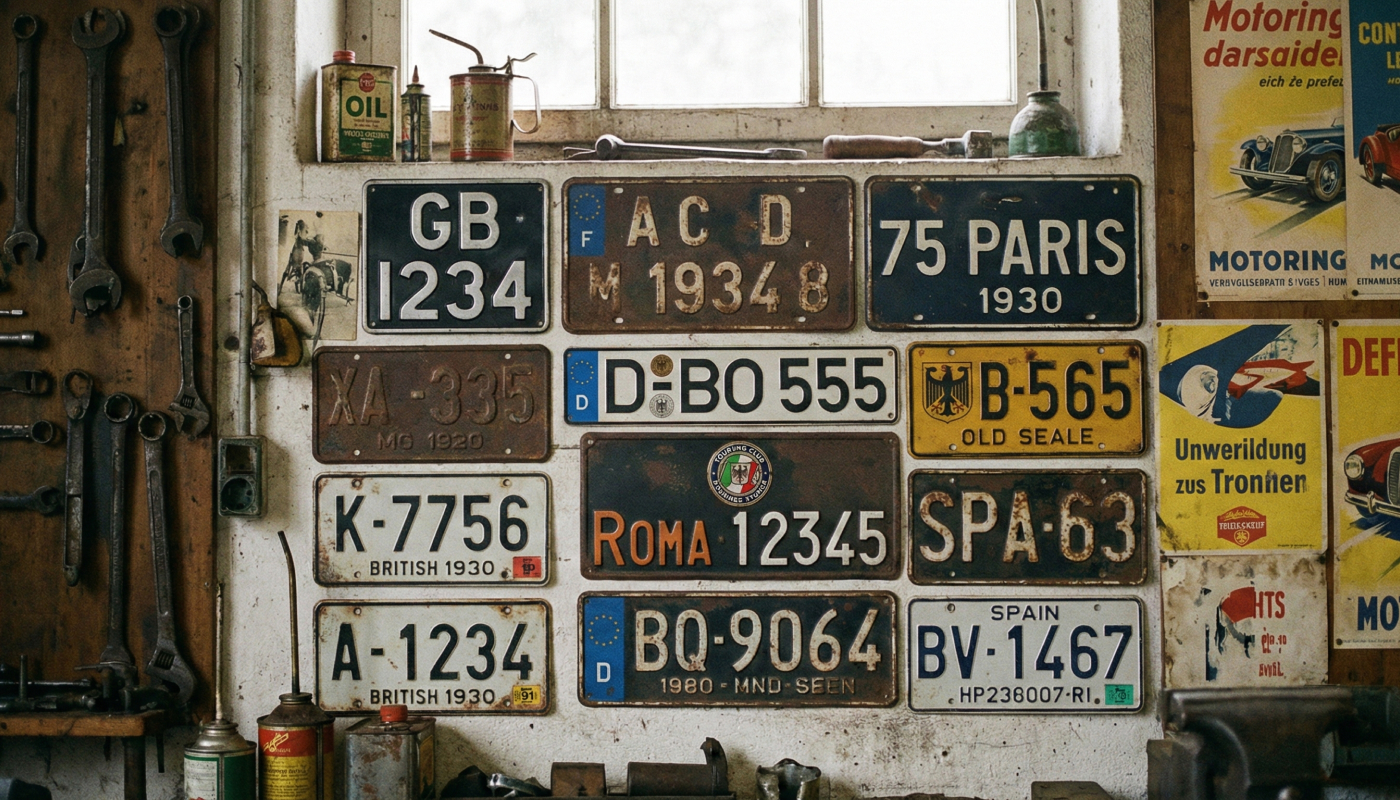
Vintage number plates represent far more than simple vehicle identifiers. They are historical artifacts that reflect the evolution of transportation, manufacturing standards, and administrative systems. Early number plates were often handcrafted, region-specific, and limited in production, which directly contributes to their modern value. Materials such as pressed steel, enamel, or early reflective coatings distinguish vintage plates from contemporary alternatives.
Collectors value originality above all else. A plate’s font style, spacing, embossing depth, and surface finish provide insight into the era in which it was produced. Unlike modern standardized plates, vintage examples often vary widely in appearance, even within the same country or decade. This variability adds to their uniqueness and desirability.
As interest in automotive heritage grows, vintage plates are increasingly viewed as historical documentation. They preserve regional identities, production techniques, and design philosophies that no longer exist. Their value lies not only in rarity, but in the story each plate tells about its time.
The value of a vintage number plate is shaped by a combination of scarcity, physical condition, and historical relevance. Plates produced in limited quantities or tied to specific regions, formats, or time periods naturally command higher interest. Condition plays an equally critical role—original paint, intact embossing, and minimal surface damage significantly increase worth.
Surface integrity is particularly important. Corrosion, over-polishing, or altered finishes can reduce authenticity. This is why preservation-focused approaches are favored over restoration-heavy methods. The goal is to stabilize the plate’s condition without erasing signs of age that contribute to its historical character.
Key factors that most strongly influence vintage number plate value include:
In recent years, collectors have also become more attentive to how environmental exposure affects surface condition. Protective strategies are increasingly evaluated for their ability to preserve authenticity without altering visual identity.
The concept of phantom plates often arises in discussions about visibility and perception. In the context of vintage plates, this term does not imply disappearance, but rather how certain surfaces interact with light. Older materials—especially enamel or early reflective paints—can behave unpredictably under modern illumination.
This phenomenon has led to myths around the invisible number plate or invisible licence plate, particularly when vintage plates are viewed under strong artificial light or camera flash. In reality, these effects stem from material aging, micro-cracking, or reflective layer degradation, not intentional concealment.
Modern optical systems interpret vintage surfaces differently than the human eye. Cameras analyze brightness, contrast, and edge definition rather than color alone. As a result, a plate that appears perfectly legible to a person may exhibit unusual optical behavior when captured digitally. Understanding this interaction is crucial when evaluating both authenticity and preservation strategies.
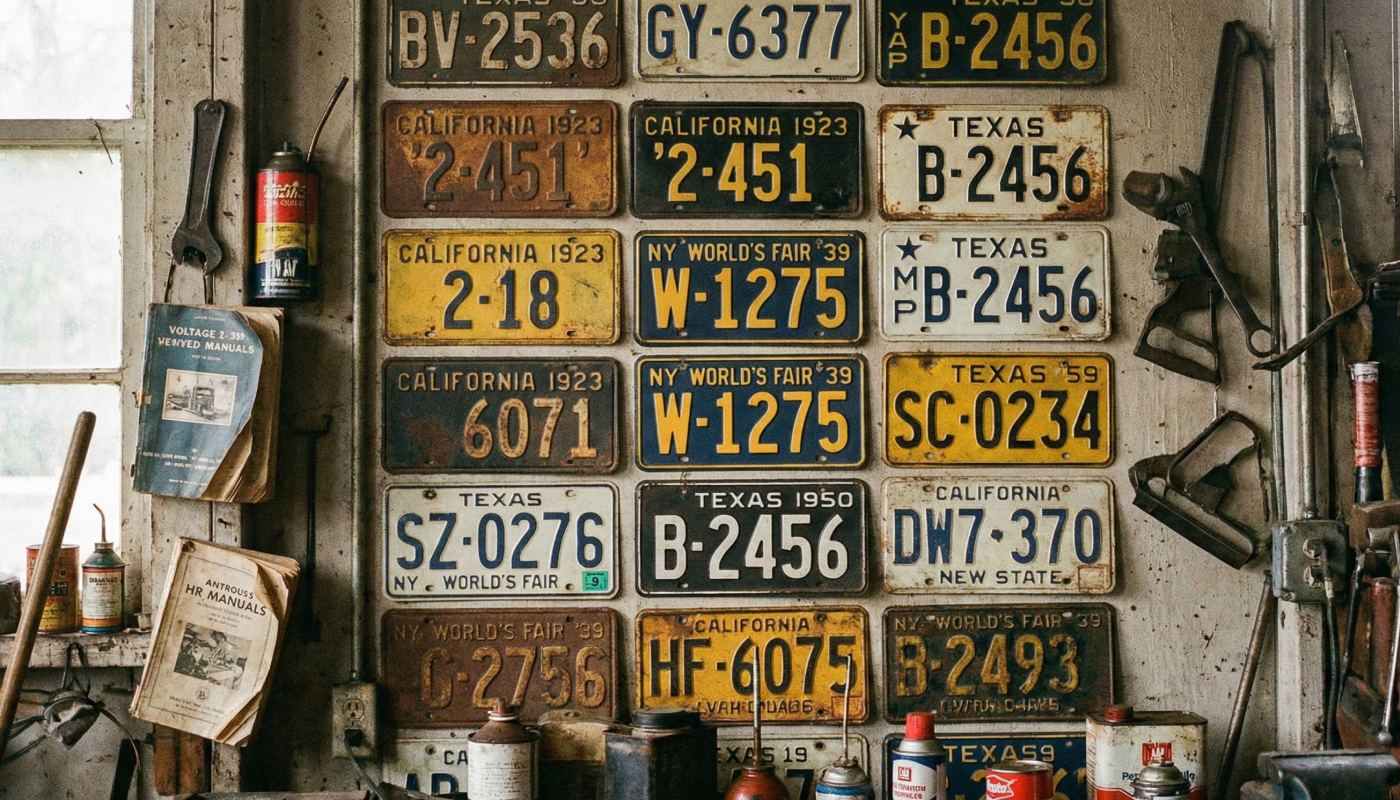
Preserving a vintage plate requires balancing protection with authenticity. Discussions around licence plate hidersolutions often confuse preservation with concealment. In practice, preservation-focused technologies aim to protect surface integrity without altering appearance or structure.
Material-based solutions such as number plate film operate as transparent protective layers. When properly applied, they shield the surface from moisture, UV exposure, and abrasion while leaving the visual characteristics untouched. This approach is increasingly preferred among collectors who want to maintain originality without invasive restoration.
Products like Alite Nanofilm exemplify this philosophy. Used as a protective surface layer, it demonstrates how modern material science can support preservation goals. The emphasis is not on changing how a plate looks, but on extending its lifespan while respecting historical authenticity.
It is important to distinguish between preservation and alteration. Any solution that changes reflectivity, color balance, or embossing clarity risks diminishing value. Conservation-minded collectors therefore prioritize reversible, non-invasive methods that safeguard the plate’s existing condition.
The market for vintage number plates has expanded significantly in recent years. Increased interest in classic vehicles, historical memorabilia, and design heritage has driven demand. Plates once considered purely functional are now recognized as collectible artifacts with cultural and aesthetic significance.
Digital marketplaces and specialist collectors have broadened access to rare examples, while also increasing scrutiny. Documentation, provenance, and material analysis play a larger role in valuation than ever before. Buyers look closely at surface condition, originality, and any evidence of modification.
At the same time, awareness of optical interaction has grown. Collectors now understand that environmental exposure and modern lighting can affect how plates appear over time. This has reinforced the appeal of protective technologies that preserve visual consistency without interfering with authenticity.
Vintage number plate value is driven by history, rarity, and material integrity. These plates serve as tangible links to earlier eras of automotive design and administration, making them desirable far beyond their original purpose.
Concepts such as phantom plates, invisible number plate, and invisible licence plate are best understood through the lens of optics and material aging rather than concealment. Preservation-focused approaches, including subtle number plate film solutions, highlight how modern technology can support historical conservation.
As interest in automotive heritage continues to grow, vintage number plates are likely to gain further recognition as valuable cultural artifacts. Their worth lies not only in scarcity, but in the careful balance between preservation, authenticity, and respect for the materials that define their past.
Car
Nanofilm
Vehicle
Written by Alite
Read more
We cover privacy tech, license plate protection & smart ways to stay off surveillance. No gimmicks — just real tools that work. Explore more:
MORE FROM ALITE
Made by drivers, for drivers









Comments
Oliver Grant
21 February 2026
Great distinction between myth and material science
Amelia Thompson
4 March 2026
Strong collector-focused perspective.
Henry Wallace
17 February 2026
Clear explanation of preservation vs alteration