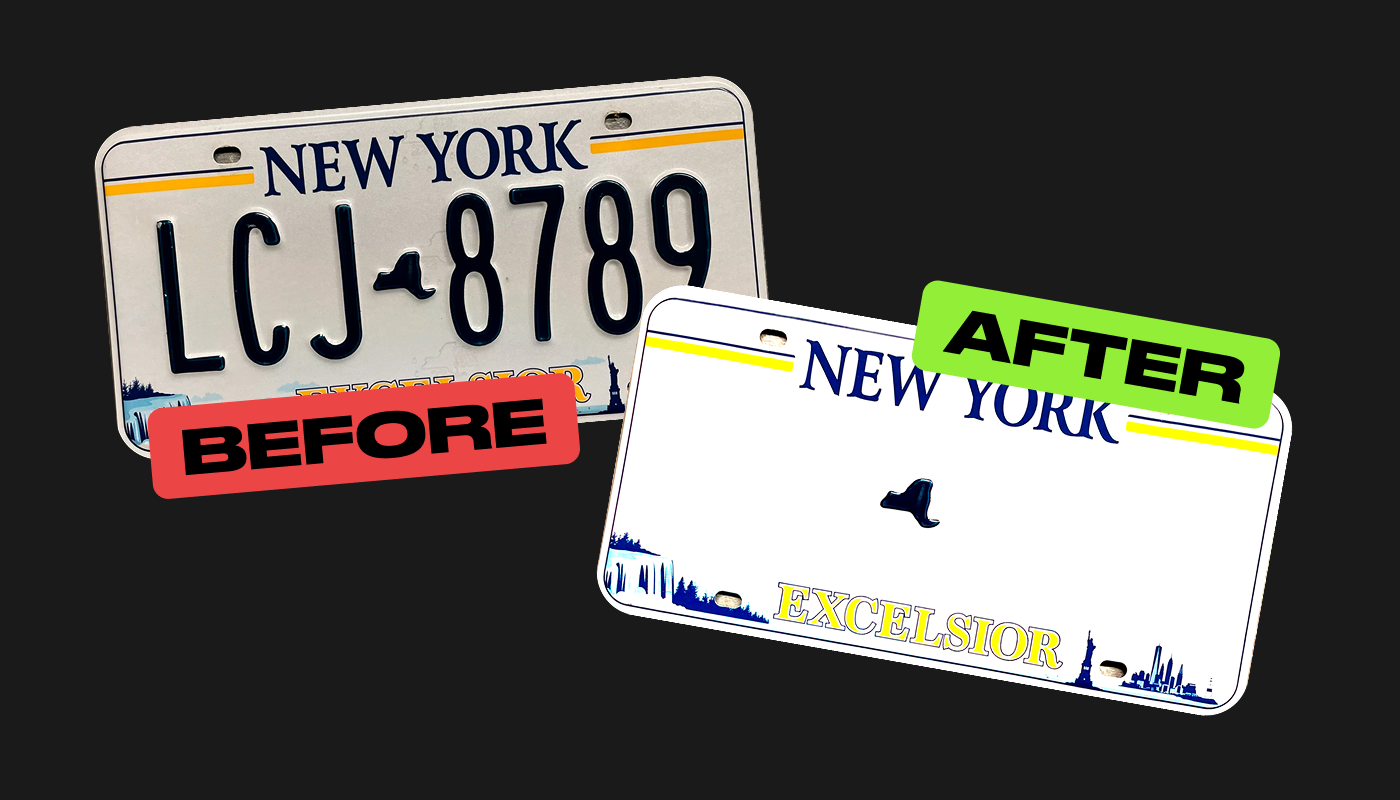

Alite
•
January 21, 2026
•
4 minutes


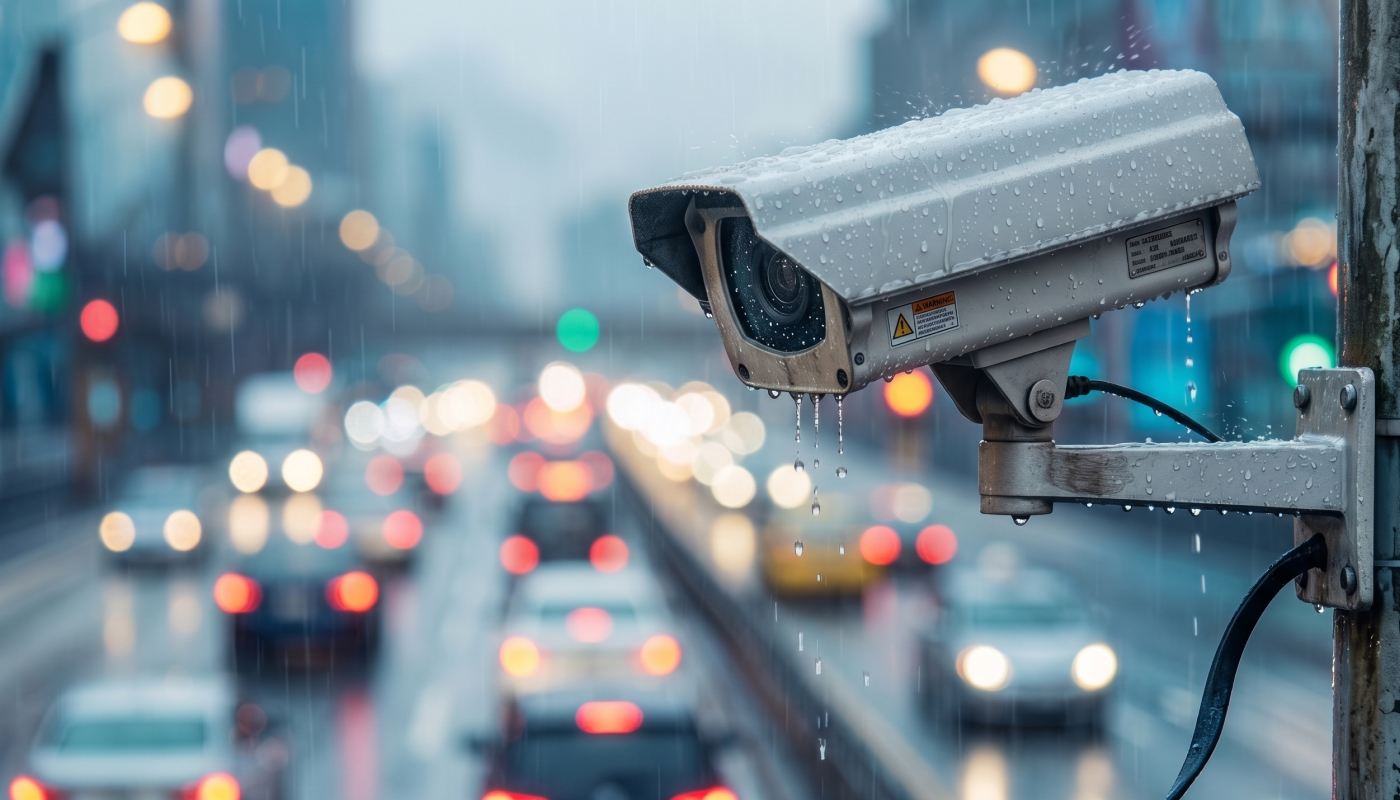
For as long as humans have built machines, they’ve also sought ways to outsmart them. In the modern age of AI-powered cameras and constant monitoring, antiradar stickers have become the latest form of subtle rebellion - a symbol of digital self-control.
Every driver knows that being visible is both necessary and risky. Cameras, toll readers, and radar systems capture every move, often storing data indefinitely. The popularity of these optical countermeasures stems from something deeper than convenience - it taps into a primal human instinct: the desire to choose when and how we are seen.
At their core, anti radar sticker technologies manipulate light rather than block it. Traditional license plates reflect incoming light uniformly, making them easy for cameras to capture. These films, however, alter the reflection patterns at a microscopic level.
Using optical interference and nano-layered design, anti radar number plate stickers scatter light in unpredictable directions. To the human eye, the plate looks perfectly normal, but to a recognition algorithm, it becomes inconsistent - blurry, overexposed, or unreadable.
It’s not invisibility in the science-fiction sense; it’s controlled visibility - a design that allows clarity for humans but ambiguity for machines.
These mechanisms show that privacy today isn’t about darkness - it’s about mastering light.
The idea of the invisible number plate isn’t about disappearance but discretion. Drivers want to remain part of the system without surrendering full transparency to it.
In an era of constant surveillance, where algorithms monitor even the subtlest details, invisibility becomes metaphorical - a way to reclaim individuality. Optical solutions like antiradar stickers offer drivers the means to manage their exposure while maintaining compliance with visibility standards for safety.
This form of invisibility is psychological as much as physical - a quiet protest against algorithmic dominance, allowing drivers to exist without being fully decoded.
Among recent innovations, Alite Nanofilm stands out as a refined step in the evolution of reflective materials. Instead of relying on metallic or mirrored coatings, it uses nanostructured layers that redirect light intelligently.
This technology takes the concept of the license plate film to a new level - merging transparency, adaptability, and endurance. Alite Nanofilm ensures plates remain visible under natural conditions yet harder for digital recognition to process accurately.
Its nano-engineered surface balances brightness and reflection to prevent overexposure from headlights or camera flashes. More than a physical product, it represents a philosophy: technology designed not to conceal but to harmonize visibility and privacy.

The growing fascination with antiradar stickers says as much about society as it does about technology. People today live in a paradox - craving connection yet fearing exposure. Vehicles, once private domains, have become part of the data grid, constantly tracked and analyzed.
Optical privacy solutions satisfy both logic and emotion: they’re scientific tools born from psychological need. The anti radar sticker symbolizes a modern shield - elegant, non-invasive, and intelligent.
Privacy is no longer rebellion - it’s balance, achieved through innovation.
As the world of mobility becomes more automated, the tension between transparency and autonomy will only grow. The future of antiradar stickers lies not in defiance but in coexistence - designing smarter materials that respect safety while preserving identity.
Emerging materials like Alite Nanofilm already hint at this future. With each generation, coatings become more adaptive - responding to changing light, temperature, or detection methods. Soon, license plate film may not just reflect but communicate - serving as a dynamic surface that adapts to both human and machine vision.
This balance between protection and participation is what defines the next evolution of road privacy.
The human desire to vanish isn’t about disappearing from the world - it’s about shaping the boundaries of visibility. In a society illuminated by algorithms, antiradar stickers offer a poetic form of control over light itself.
Through innovations like Alite Nanofilm, drivers can maintain individuality within systems built for uniformity. It’s not rebellion; it’s restoration - the freedom to choose how to be seen.
In the end, invisibility is not absence. It’s precision -the art of appearing only when it matters.
Car
Nanofilm
Vehicle
Written by Alite
Read more
We cover privacy tech, license plate protection & smart ways to stay off surveillance. No gimmicks — just real tools that work. Explore more:
MORE FROM ALITE
Made by drivers, for drivers











Comments
Daniel Hayes
29 January 2026
This felt almost philosophical, in a good way
Sophia Bennett
31 January 2026
Love the way it explains light and privacy together.
Marcus Donovan
6 February 2026
Deep but still practical