
Alite
•
January 18, 2026
•
4 minutes


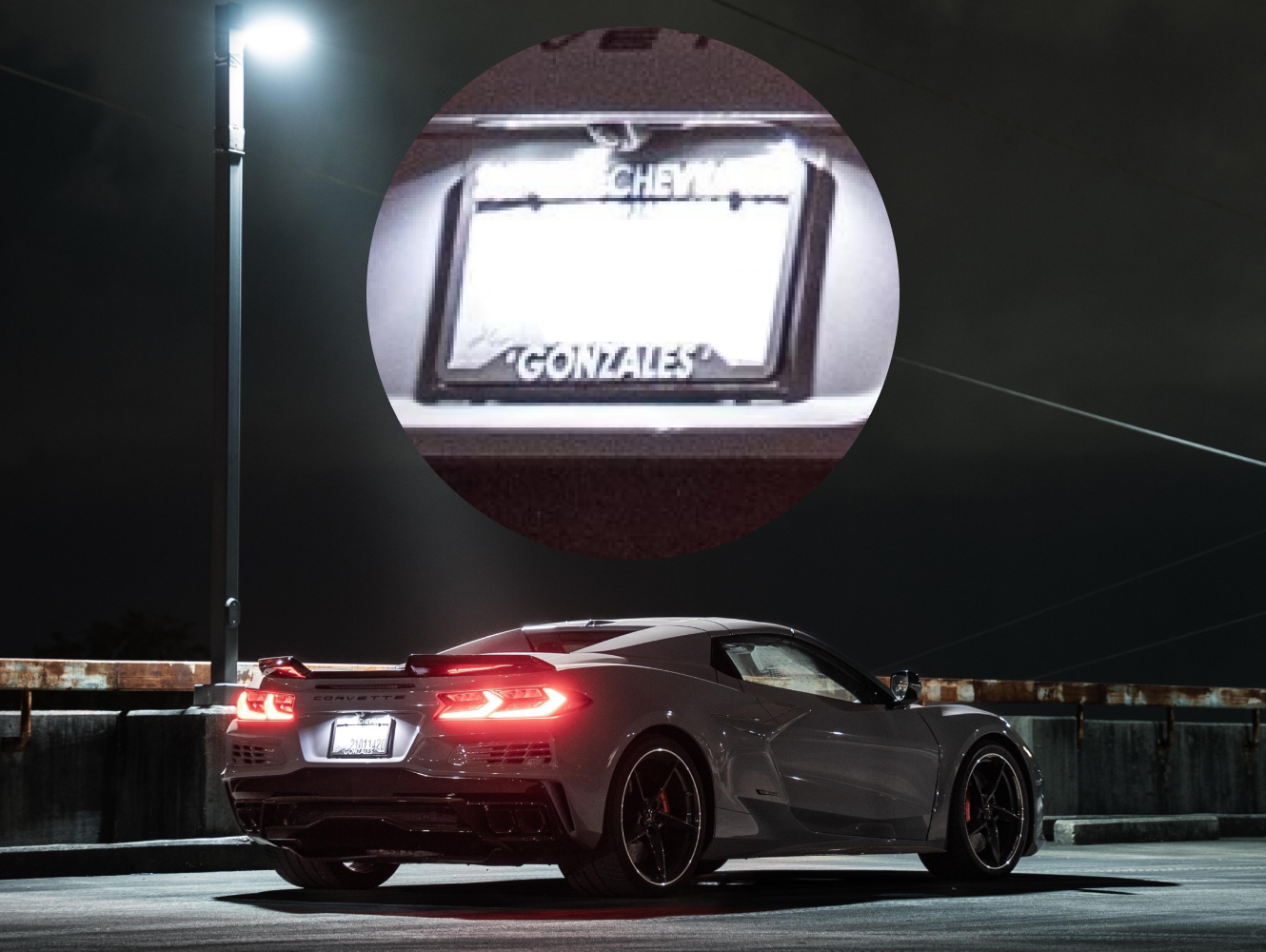
Night-time photography has always been one of the most rewarding yet difficult aspects of automotive culture. Photographers must balance low light, glare, and artificial illumination. In this environment, materials such as reflective number plate film play an unusual role. While designed to interfere with recognition systems, their interaction with artificial light can also influence how cars appear in photographs.
The relationship between optics and photography has always been close. For enthusiasts, the question is not just about privacy but also about how number plate film changes the aesthetics of night images. Light scattering, reflection, and diffusion all impact the outcome.
Modern license plate film does more than protect surfaces. Built with engineered layers, it bends and redirects beams of light in unpredictable ways. Under a flash or spotlight, the plate may scatter light differently than bare metal, adding both distortion and highlight effects.
This optical behavior is exactly what makes it effective against automated systems — irregular reflections create noise that sensors struggle to process. But for photographers, the same behavior results in variations in brightness, contrast, and sharpness.
These effects show how reflective number plate film can influence both machine and artistic vision.
The idea of an invisible license plate is not purely technical. At night, when films scatter light away from the lens, the plate may appear dimmer or partially obscured in photos. This creates an aesthetic of subtle anonymity, where the car remains in focus but the identifying details blur into the background.
For photographers, this can add to the atmosphere of a shot. Rather than a distracting reflective surface, the number plate recedes, emphasizing body lines, headlights, or the surrounding environment. The unintended artistic outcome mirrors the technical aim of the films: redirection of visual attention.
Some communities even discuss the way anti camera stickers and films introduce a cinematic feel to urban night photos, blending privacy and aesthetics into a single effect.
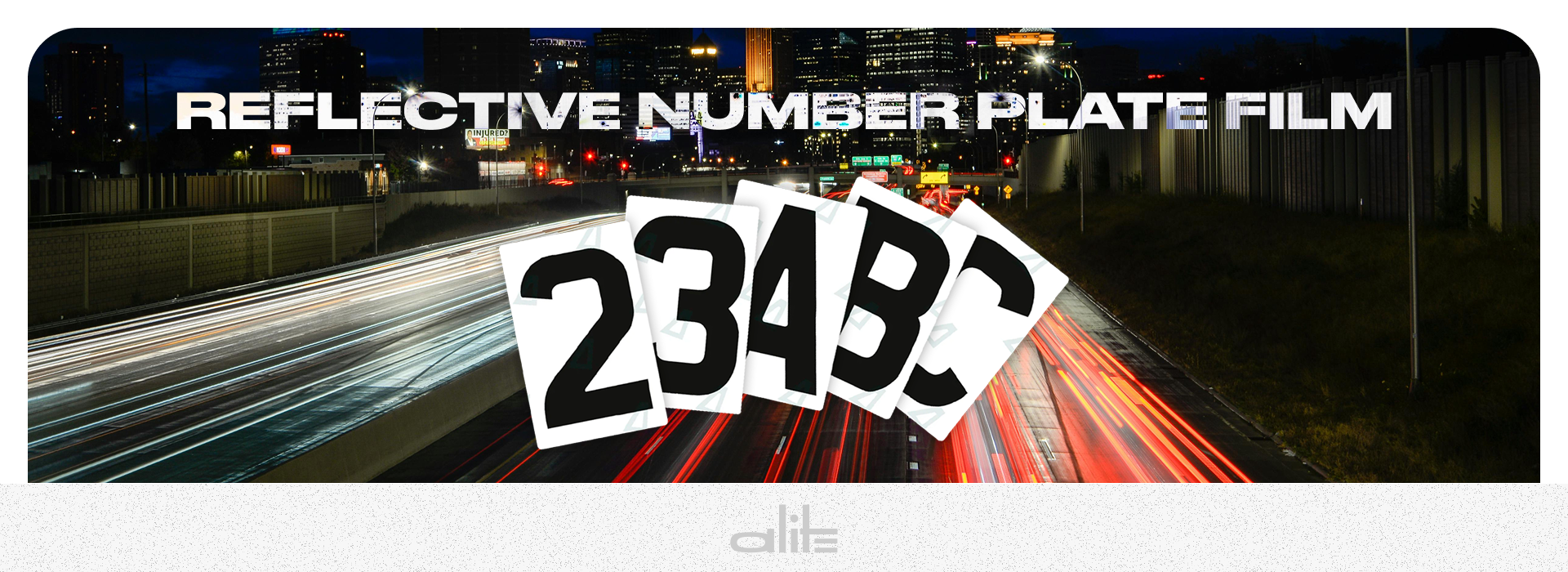
Among the advanced films, Alite Nanofilm demonstrates how engineering can merge functionality and design. While its main purpose is to interfere with recognition systems, its nanostructured surface also produces consistent, controlled distortions under artificial light.
This matters not just for privacy but also for predictability. Unlike low-quality coatings that may peel or produce uneven patches, Nanofilm ensures that the license plate film maintains its optical properties over time. Whether in rain, fog, or urban lighting, its scattering remains stable, producing reliable results both technically and aesthetically.
For drivers and photographers alike, this reliability builds confidence in how the film performs in real conditions.
The growing use of number plate film highlights how privacy technologies intersect with car culture. On one hand, these films protect against surveillance by creating optical interference. On the other, they contribute to the visual style of car photography, particularly in urban night settings.
Photography communities often exchange notes on how reflective number plate film behaves under neon lights or flashes. Meanwhile, privacy-focused drivers appreciate that the same qualities complicate automated recognition. In both cases, the technology is trusted for what it does with light.
As night-time car photography becomes more popular on social media, the aesthetic role of these films grows alongside their practical use. The blurred or softened look of plates is increasingly seen as part of an intentional style, rather than an accidental artifact. This dual perception strengthens trust in the technology, making it a tool valued both for protection and creativity.
The world of reflective number plate film goes beyond the technical. At night, these materials reshape light in ways that influence both recognition systems and human photography. By scattering, diffusing, and redirecting beams, they transform number plates into less intrusive elements of the visual field.
Solutions like Alite Nanofilm highlight how advanced license plate film can combine durability, subtlety, and consistent optical effects. For drivers, this means privacy; for photographers, it means atmosphere.
In the end, the dual nature of these films demonstrates the broader truth of technology: innovations designed for protection often reshape culture, creating new ways of seeing and experiencing cars in the urban night.
Car
Nanofilm
Vehicle
Written by Alite
Read more
We cover privacy tech, license plate protection & smart ways to stay off surveillance. No gimmicks — just real tools that work. Explore more:
MORE FROM ALITE
Made by drivers, for drivers









Comments
Daniel Foster
20 January 2026
Didn’t expect the photography angle, really interesting.
Melissa Grant
27 February 2026
Love how it connects privacy tech with car culture.
Aaron Blake
3 February 2026
The night optics explanation was actually fascinating