

Alite
•
February 24, 2026
•
4 minutes


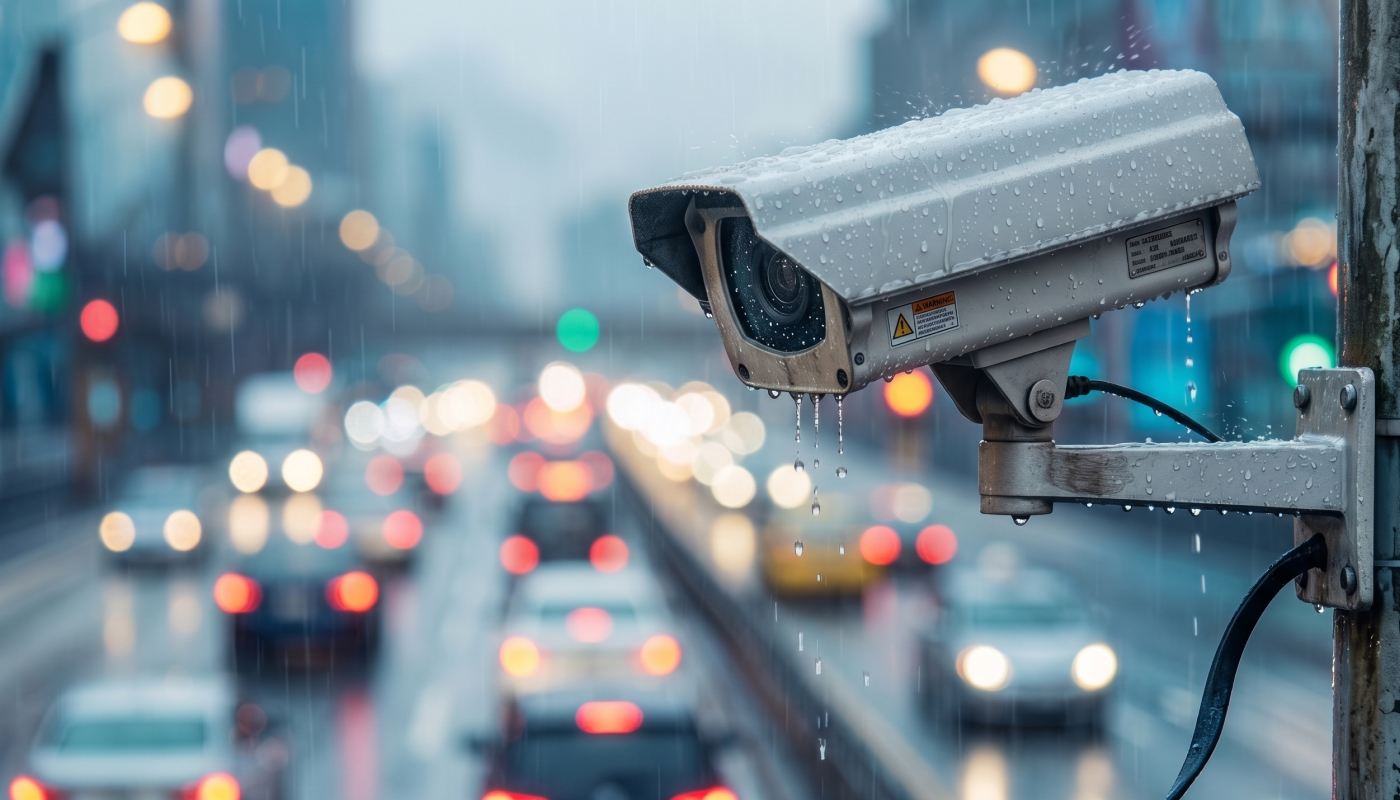
Modern enforcement relies heavily on automated systems. Traffic cameras and every speed camera installed on roads are designed to detect, measure, and document vehicle behavior. Yet despite advances in radar, laser, and infrared technologies, the entire process still depends on one fragile element: the license plate.
The plate is both the identifier and the verification anchor. Without readable plate data, even the most precise enforcement system loses its ability to associate a speed reading or image with a specific vehicle.
Both traffic cameras and speed camera networks operate in two stages. First, they detect a vehicle’s presence and measure movement. Second, they link that data to a readable license plate.
Detection technology is highly advanced. Radar and LIDAR systems measure speed independently of lighting. However, identification remains optical. If plate characters are distorted, partially obscured, or inconsistently reflective, automated recognition accuracy decreases.
This creates a structural imbalance. Measurement technologies evolve rapidly, but license plate design remains physically simple and vulnerable to environmental factors.
The growing interest in license plate camera blocker solutions reveals an important reality: enforcement systems are sensitive to plate behavior. Even small changes in reflection can influence how automated recognition software interprets characters.
Drivers exploring these solutions are indirectly identifying a weakness. Cameras do not fail at measuring speed; they encounter difficulty at the identification stage. A plate’s surface texture, reflectivity, and angle can affect recognition more than drivers realize.
Common factors that impact plate readability include:
These minor variations expose how dependent automated enforcement is on consistent plate optics.

An anti radar sticker does not interfere with radar signals. Instead, its relevance lies in how it modifies surface interaction with light. Because identification depends on optical contrast, small adjustments can influence machine readability.
This highlights why plates are often described as the weakest link. The mechanical components of a speed camera system are highly standardized, but the plate itself is subject to physical aging, environmental exposure, and surface modification.
In other words, the enforcement infrastructure is technologically robust, yet the identification layer remains materially fragile.
The idea of an invisible licence plate reflects misunderstanding, but it also reveals a technical truth. Complete invisibility is unrealistic, yet selective readability variations are possible under specific conditions.
Automated systems rely on controlled lighting, especially infrared at night. If a plate reflects that light inconsistently, recognition algorithms may require additional frames or verification checks.
This does not mean enforcement fails entirely. It means recognition becomes probabilistic rather than immediate. That shift alone demonstrates the structural vulnerability built into plate-based identification.
Despite technological innovation, enforcement still requires visual confirmation. Traffic cameras may measure behavior precisely, but without clear plate data, the evidence chain weakens.
Authorities continue using plates as identifiers because they are standardized, visible, and legally regulated. However, from a systems perspective, they remain exposed to variability.
This dependency creates a paradox:
That imbalance is why license plates are often described as the weakest link in otherwise advanced enforcement networks.
In modern traffic control, enforcement accuracy depends less on detection than on interpretation. While radar and laser systems operate with high reliability, plate readability remains vulnerable to environmental and optical influences.
Understanding this dynamic clarifies why discussions around license plate camera blocker, anti radar sticker, and even the concept of an invisible licence plate continue to surface. They all revolve around the same structural reality: automated enforcement is only as strong as its most visually fragile component.
Car
Nanofilm
Vehicle
Written by Alite
Read more
We cover privacy tech, license plate protection & smart ways to stay off surveillance. No gimmicks — just real tools that work. Explore more:
MORE FROM ALITE
Made by drivers, for drivers










Comments
Jonathan Pierce
26 February 2026
harp breakdown of detection vs identification
Melissa Grant
28 February 2026
Clear explanation of why optics matter more than radar
Robert Hayes
1 March 2026
Balanced technical perspective on enforcement systems