

Alite
•
February 6, 2026
•
4 minutes


In an era where artificial intelligence governs roads, traffic, and data collection, every car on the street has become a moving data point. AI cameras from toll readers to ALPR (Automatic License Plate Recognition) systems record millions of plates daily. Their accuracy is astonishing, capable of identifying a vehicle in milliseconds under rain, glare, or darkness. Yet as precision improves, so does the desire for balance: privacy-conscious drivers now turn to subtle countermeasures like the license plate film.
The Alite Nanofilm stands out as one of these discreet technologies. Thin, engineered, and visually indistinguishable from the plate itself, it helps minimize unwanted optical capture without altering visibility to the human eye. It’s a form of passive defense a smart, scientific response to the digital gaze.
Before understanding the power of the number plate film, it’s essential to grasp how modern cameras perceive your plate. AI-based recognition systems use multiple layers of data:
This means your license plate isn’t just an identifier-it’s an access point. Every scan can reveal routes, speed, and behavioral patterns. That’s where materials like the reflective number plate film come into play: they alter how light interacts with the plate, making certain readings unreliable or incomplete without affecting normal legibility.
At first glance, a license plate film seems ordinary-just a transparent or tinted overlay. But beneath that simplicity lies advanced optical engineering. Each layer of nanocoating manipulates how light behaves when it hits the plate. It can scatter infrared, diffuse flash glare, or slightly shift the reflective spectrum to create inconsistency in automated readings.
The Alite Nanofilm uses this principle with remarkable precision. Instead of blocking visibility outright, it focuses on controlled distortion. When a camera’s IR beam or flash reflects off the treated surface, the result isn’t a clean return signal. The plate might appear dimmer, distorted, or partially unreadable in captured data, disrupting automated recognition while remaining perfectly normal to human observers.
This subtle interference doesn’t rely on electronics or moving parts. It’s a passive optical shield that quietly protects the driver’s privacy without changing the appearance of the car.
The term reflective number plate film is often linked to style or customization, but its purpose extends far beyond aesthetics. Reflectivity helps cameras capture plates even in darkness traditional ones use retroreflective layers that bounce light straight back, aiding both visibility and surveillance.
Advanced films like Alite Nanofilm change that rule. Instead of perfect reflection, their microstructures scatter light at varied angles, making AI cameras receive inconsistent or blurred data. These materials quietly evolve automotive privacy not by blocking detection, but by subtly confusing it.
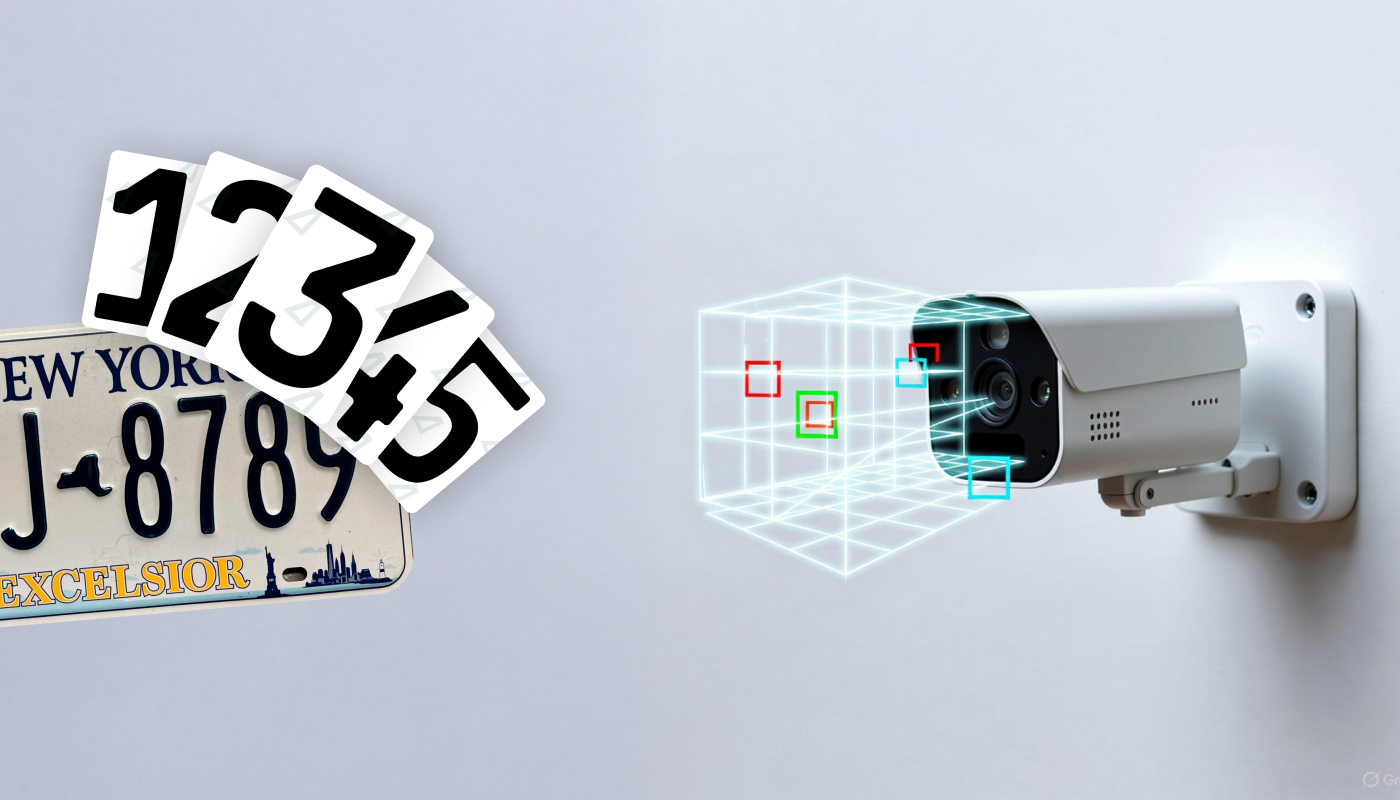
Among modern privacy tools, the anti camera license plate sticker has gained notable traction. While traditional license plate covers physically obstruct light, these stickers rely on molecular coatings to interfere with digital optics. They can:
All of this happens through thin, adhesive layers applied directly onto the plate surface.
The Alite Nanofilm operates on the same principle but with enhanced sophistication. It’s not just a sticker-it’s a precision-engineered composite designed to interact dynamically with various light wavelengths. The goal isn’t invisibility to the human eye but inconsistency to artificial ones. Under sunlight, your plate looks clean and normal; under AI surveillance, it becomes less readable.
The term invisible number plate may sound futuristic, but it’s already a reality in the field of optical privacy. Achieved through advanced coatings like Alite Nanofilm, this effect doesn’t mean the plate literally disappears. Instead, it becomes algorithmically invisible. AI systems trained on high-contrast, reflective data struggle to interpret distorted optical returns, especially when the film modifies infrared reflectivity or refractive angles.
In simple terms, the camera “sees” the plate but can’t “read” it. This concept mirrors natural camouflage visibility in plain sight. To the human eye, it’s normal; to automated systems, it’s noise. That’s the future of passive protection smart, minimal, and efficient.
Invisible license plate technologies also introduce a new design language. They’re subtle, minimal, and almost philosophical: privacy achieved not through hiding, but through precision engineering.
What makes Alite Nanofilm stand out is its hybrid nature. It’s more than an anti camera license plate sticker or a reflective number plate film it’s a fusion of both, combining science and simplicity in one durable layer. Designed to resist heat, moisture, and wear, it keeps its optical precision for years.
Drivers describe the effect as invisible yet powerful: no glare, no visible change, but a clear difference under camera surveillance. It’s a discreet, intelligent upgrade for modern vehicles quiet protection built directly into the surface of your car.
Car
Nanofilm
Vehicle
Written by Alite
Read more
We cover privacy tech, license plate protection & smart ways to stay off surveillance. No gimmicks — just real tools that work. Explore more:
MORE FROM ALITE
Made by drivers, for drivers











Comments
Andrew Collins
10 February 2026
Very informative, especially the AI breakdown.
Megan Foster
11 February 2026
Loved how it explains the tech in simple terms.
Ryan Cooper
15 February 2026
Feels modern and well researched