

Alite
•
February 11, 2026
•
4 minutes


Over the last decade, drivers have experienced a profound shift in how the modern road “sees” them. Cameras, automated checkpoints, infrared scanners, and digital recognition systems now form a silent layer of observation woven into everyday travel. In response, a new emotion has emerged among drivers and riders alike - a desire not to disappear, but to feel less seen. This emotional landscape is one of the core reasons why antiradar stickers continue evolving in 2025.
For many people, the car or motorcycle is not only a machine but a personal zone, a private space that moves with them. As recognition systems advance, optical protection has become a natural extension of that personal boundary. Thin engineered materials, such as modern anti radar sticker solutions, provide subtle interference that helps reduce excessive clarity without altering the plate’s normal appearance.
This feeling the comfort of being less visible to automated systems - is what shaped a new cultural meaning behind anti-camera technologies.
Drivers today are surrounded by sensors they never directly interact with. Automated vision is fast, accurate, and constant, which can create a sense of unwanted transparency. This is where modern anti camera sticker technology enters the conversation.
The motivation is not rebellion or secrecy. Instead, it is the emotional relief of knowing that one’s movements are not formulated into perfect digital records every minute of the day. Riders often describe it as “breathing room” - a softer boundary between themselves and a system that otherwise provides complete visibility.
That’s why thin-film optical tools satisfy an emotional need as much as a technical one. They do not try to erase the vehicle’s identity. Instead, they make the data harder to process automatically, returning a sense of choice to the driver.
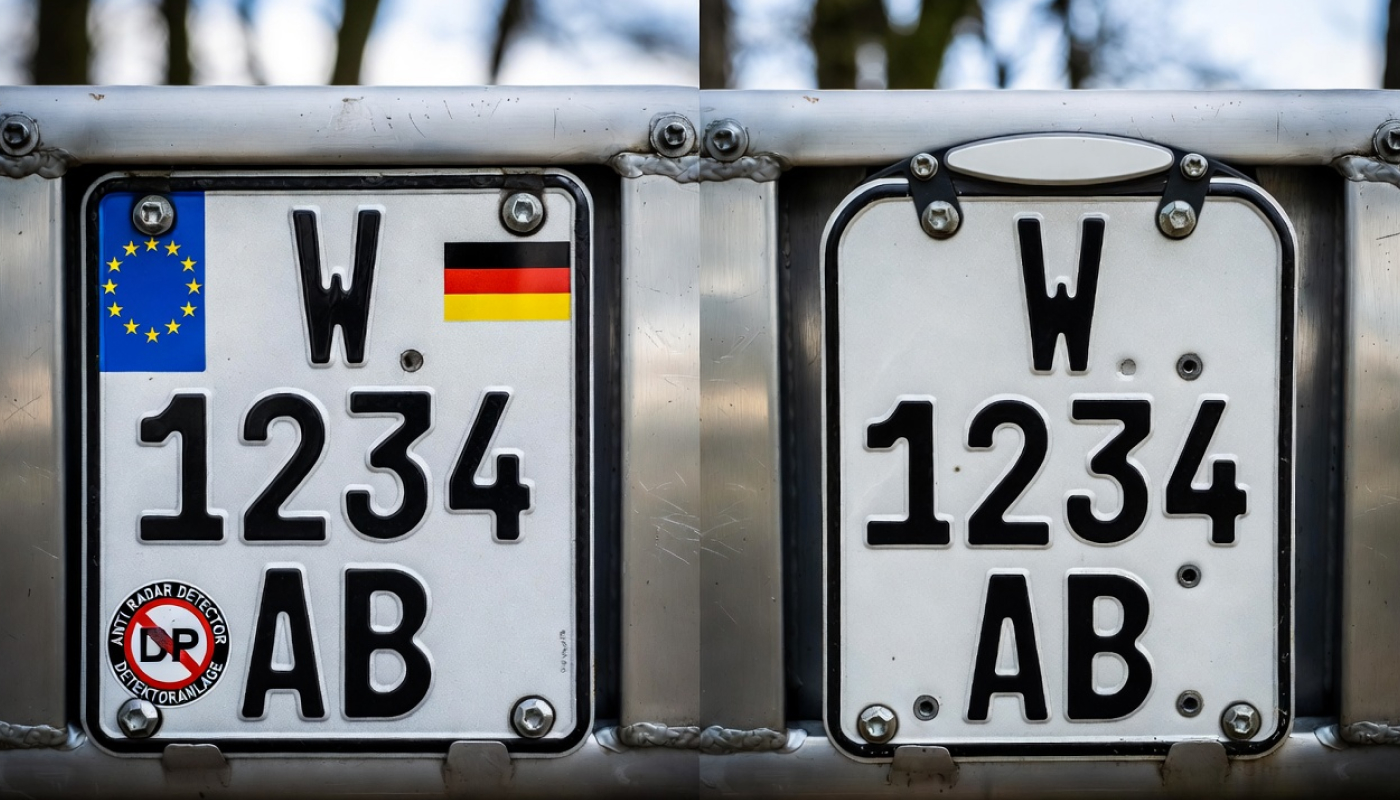
Optical protection has evolved far beyond simple coatings. Modern anti radar license plate sticker products rely on micro-layer engineering. These layers scatter, redirect, or amplify specific wavelengths that automated systems use - especially infrared.
When the plate is illuminated by IR-based cameras or flash, the reflection becomes unpredictable or overly intense. The plate remains readable to a person but becomes more difficult for automated systems to interpret clearly.
This is also where advanced thin films like Alite Nanofilm demonstrate measurable progress. Instead of darkening the plate, the film manipulates light behavior in ways that remain visually neutral but technically disruptive for certain sensors.
The technology doesn’t aim for invisibility - it aims for ambiguity. And ambiguity is often enough to restore that subtle feeling of being less exposed.
Alongside antiradar layers, reflective number plate film has become an important component of optical privacy. These films influence how visible components of the plate behave under different lighting conditions, especially at night or in low-contrast scenarios.
They work in harmony with antiradar films in several ways:
This combination creates a unique dynamic: the plate looks completely normal, yet behaves differently under digital scrutiny.
For drivers, this balance normal appearance, modified optical response-is the foundation of the “unseen” emotion.
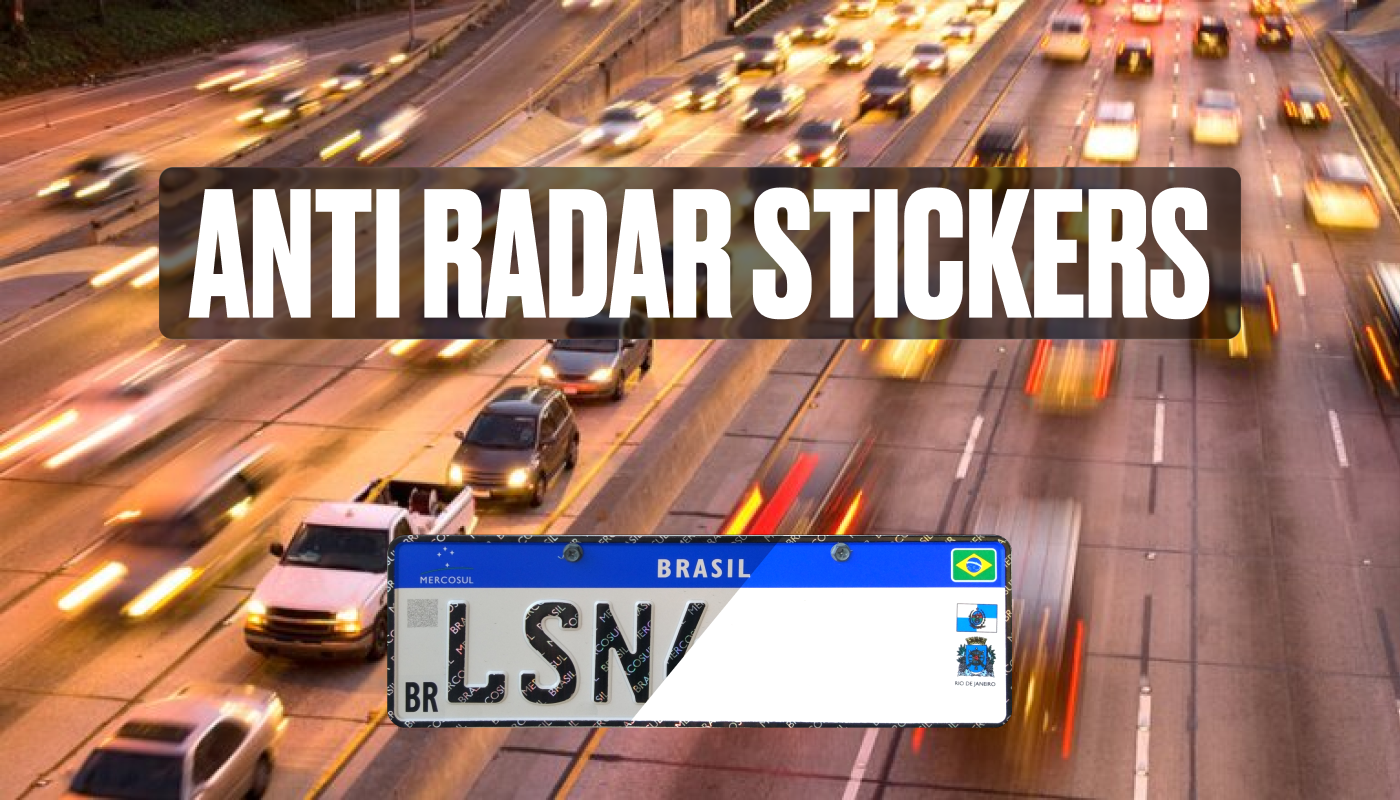
The idea of optical privacy is not about eliminating visibility. Instead, it redefines visibility on the driver’s terms. With the rise of automated recognition, many people feel their physical presence on the road has gained a parallel digital presence they did not choose.
Modern antiradar stickers offer a gentle corrective to that imbalance. They introduce uncertainty into systems that are built on certainty. They ensure that being on the road does not automatically mean becoming a perfect data point.
The new emotion here is subtle:
not disappearance, but controlled presence;
not concealment, but softer definition;
not invisibility, but a quieter kind of visibility.
This psychological benefit is why technologies like Alite Nanofilm resonate so strongly today. They align with how people feel about their mobility, identity, and personal boundaries in a world of non-stop scanning.
Drivers are becoming increasingly aware of how deeply automated vision maps daily transportation. In response, optical tools are slowly turning into a cultural symbol - not of avoidance, but of reclaiming personal space.
With engineered materials, a driver gains something that feels close to analogue autonomy in a digital environment. The plate still exists, the vehicle is still identifiable, and the road remains the same - but the constant clarity from automated systems is softened.
This cultural shift mirrors the rise of other privacy-focused products. The difference is that anti radar sticker technologies operate passively, silently, and invisibly, making them one of the most natural extensions of driver preference.
The appeal of antiradar stickers in 2025 is not purely technical. It’s emotional. Drivers want to preserve the purity of their experience on the road - the sense that their movement belongs to them, not to a network of recognition systems.
Modern films, including advanced examples like Alite Nanofilm, transform optical interference into a form of personal expression:
a quiet refusal to be perfectly defined, a desire to feel unseen without disappearing.
In a world of growing automated clarity, these thin engineered layers give drivers something rare a way to remain visible, but on their own terms.
Car
Vehicle
Nanofilm
Written by Alite
Read more
We cover privacy tech, license plate protection & smart ways to stay off surveillance. No gimmicks — just real tools that work. Explore more:
MORE FROM ALITE
Made by drivers, for drivers







Comments
Liam Anderson
13 February 2026
Interesting how you connected tech with emotion.
Chloe Martinez
14 February 2026
The psychology angle makes it feel real.
13 February 2026
Strong cultural perspective on optical privacy.