

Alite
•
February 8, 2026
•
4 minutes


In today’s hyper-connected traffic landscape, visibility is no longer a simple matter of safety. It has become a data point - something to be captured, analyzed, stored, and linked to larger systems of monitoring. Every highway gantry, toll lane, intersection, and police cruiser carries optical sensors that operate continuously, scanning license plates without pause or permission.
In this new environment, many drivers have begun searching for ways to limit machine-level exposure without affecting everyday driving. This shift in mindset explains why antiradar stickers and advanced optical films are gaining momentum. They symbolize a growing awareness that visibility is no longer neutral - it is a form of vulnerability.
Modern privacy tools like Alite Nanofilm are engineered for this new era. They don’t erase the license plate. They don’t obstruct the car. They simply change how machine vision interprets the surface, creating subtle inconsistencies that human eyes never notice. It is a quiet, elegant resistance to over-visibility.
For decades, visibility was a one-dimensional concept: if a plate was clear and readable, the system worked. But with the rise of automated systems, visibility has split into two parallel realities:
This distinction is the core reason drivers turn to tools like the anti radar sticker. Humans only need clarity under natural light; machines require precision, consistency, and perfect reflectivity. That is the weakness of automated recognition - it relies on assumptions about how light behaves.
Antiradar films exploit that reliance. Instead of obstructing the plate, they subtly distort reflections under infrared or flash illumination. A perfectly readable plate becomes less predictable. Not hidden simply less compliant with machine expectations.
The science behind the anti radar license plate sticker lies in micro-scale interaction between light and surface materials. Traditional plates are coated with retroreflective layers: structures that bounce light directly back to the camera, ensuring sharp contrast.
Antiradar films break this predictability through:
To the human eye, the results are invisible. The plate looks unchanged. But ALPR systems, which depend on reflective stability, receive inconsistent signals. Character edges blur, brightness fluctuates, and the system’s algorithm struggles to construct a clean pattern.
This is not antagonistic technology. It’s adaptive design - a counterbalance to automated overreach.
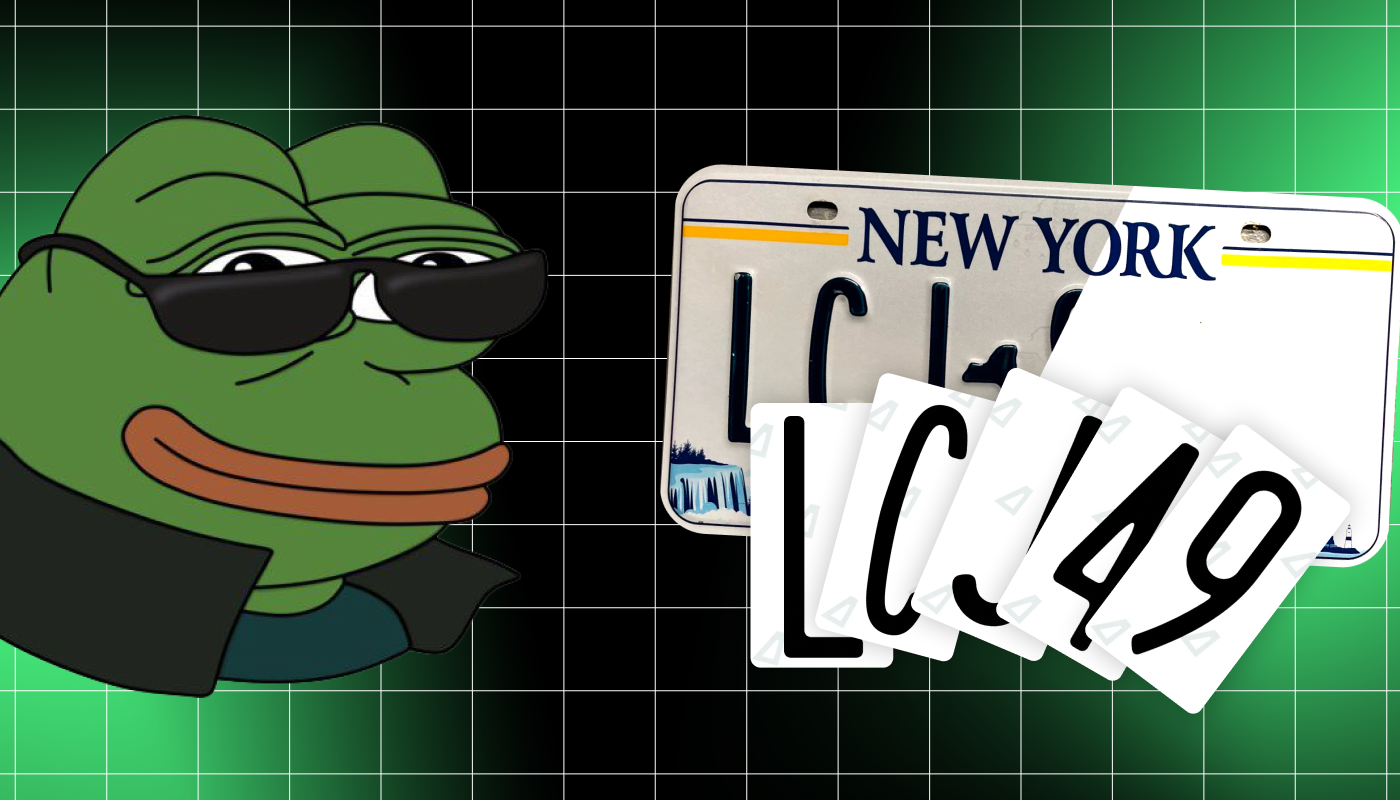
The anti camera sticker emerged from a simple insight: you don’t need to block a camera if you can confuse it. Machine vision, especially ALPR systems, expects high-contrast, consistent illumination. When films alter these patterns, the system’s confidence drops.
The real innovation lies in the passive nature of the material. There is no electronic interference, no moving parts, no tint that distorts visibility for other drivers. It is purely optical engineering a quiet manipulation of the physics cameras rely on.
This subtle form of invisibility is what modern drivers find compelling. It’s not rebellion. It’s self-defense in a world where vehicles constantly broadcast digital footprints.
Most drivers know reflective number plate film as a safety feature. It was designed to make plates readable at night by reflecting light back to its source. But ALPR cameras turned that property into a scanning advantage.
This evolution created a paradox:
the same film that improves safety also enhances surveillance.
Antiradar materials like Alite Nanofilm resolve that paradox by introducing intelligent distortions. Instead of returning clean retroreflection, the film refracts light in subtle patterns that remain harmless to human visibility but unpredictable to sensors.
It’s an elegant solution: safety remains intact, while exposure becomes limited.
Among modern films, Alite Nanofilm has become a notable example of engineering-driven privacy. It uses multi-layered optics that behave differently under visible light and infrared illumination. Human readability remains perfect. Machine readability becomes inconsistent.
Its advantages come from refinement, not obstruction:
It’s a sophisticated response to a sophisticated problem - a tool designed for the rhythms of real roads, not theoretical ones.
The rise of machine vision has redefined the meaning of being “visible.” Drivers now understand that clarity for humans is not the same as clarity for cameras - and that difference matters.
Tools like antiradar stickers, anti radar sticker technologies, and advanced films like Alite Nanofilm reshape digital exposure without compromising everyday driving.
They don’t hide the driver.
They simply limit the machine’s reach.
And in today’s world, that small difference feels incredibly powerful.
Car
Nanofilm
Vehicle
Written by Alite
Read more
We cover privacy tech, license plate protection & smart ways to stay off surveillance. No gimmicks — just real tools that work. Explore more:
MORE FROM ALITE
Made by drivers, for drivers








Comments
Jonathan Miles
09 February 2026
Really smart take on human vs machine visibility.
Claire Donovan
13 February 2026
Feels thoughtful, not aggressive
22 February 2026
Clear, modern, and well argued