
Alite
•
February 21, 2026
•
4 minutes


Modern detection platforms are built on assumptions. Whether used in traffic monitoring, access control, or data analytics, automated systems rely on standardized inputs to function efficiently. Detection system problems arise when real-world conditions deviate from those assumptions, introducing variability that algorithms were not trained to interpret.
In traffic environments, this issue becomes especially visible. Systems designed for uniform license plates, predictable lighting, and consistent motion must process data in environments that are anything but controlled. Weather, angle, surface condition, and material properties all influence outcomes.
The challenge is not a lack of sophistication, but the mismatch between controlled models and uncontrolled reality.
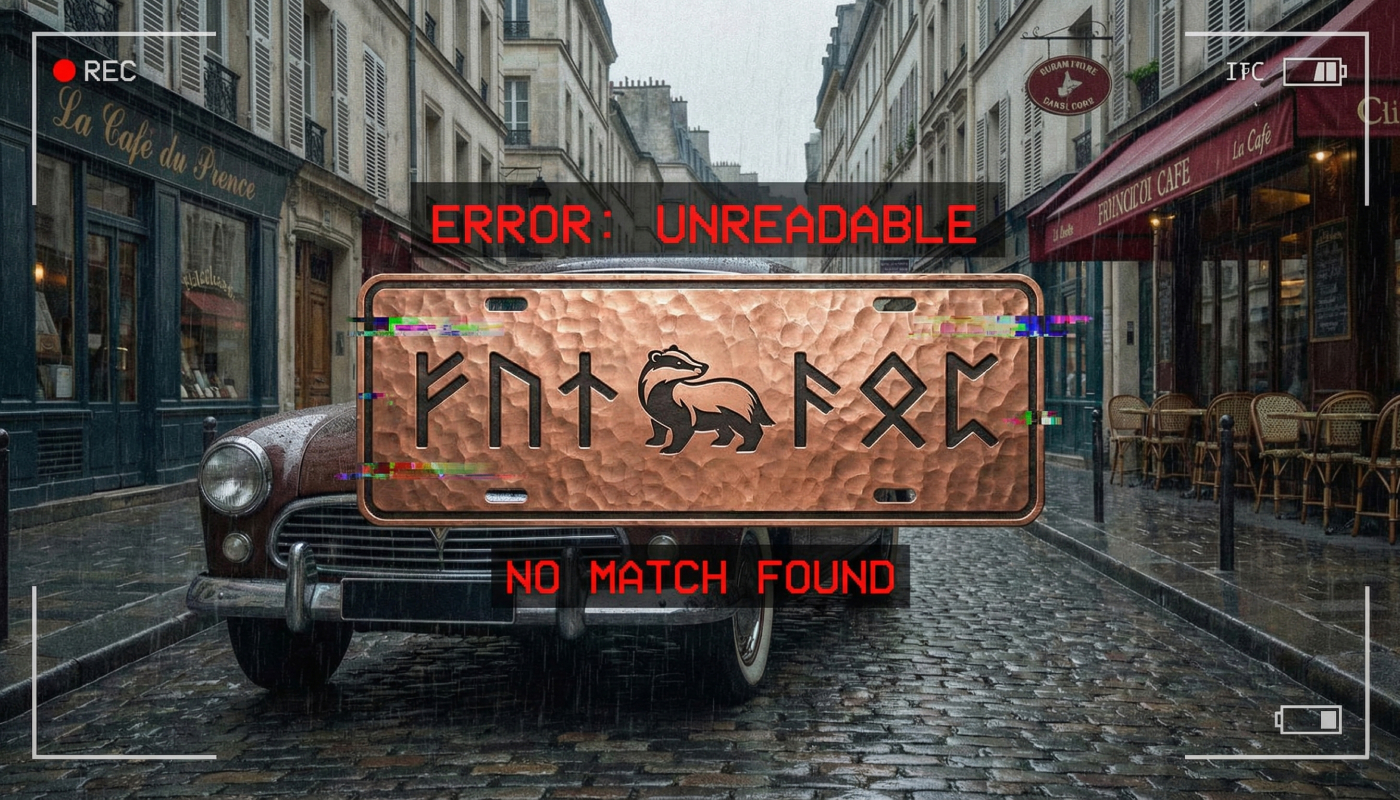
One of the clearest examples of this mismatch appears in ALPR recognition errors. Automatic License Plate Recognition systems are trained to identify specific fonts, contrasts, and reflective behaviors. When those parameters change, recognition confidence drops.
ALPR systems depend on pattern consistency. Characters must reflect light in a predictable way, edges must be clearly defined, and contrast must fall within expected thresholds. Even small deviations can introduce ambiguity, forcing the system to guess or discard data.
Common sources of recognition variability include:
These factors do not “break” the system, but they push it outside its optimal operating window.
Antiradar stickers represent a category of non-standard optical inputs. Despite the name, these materials do not interact with radar-based detection. Their influence is purely visual, affecting how light is reflected during image capture.
From a system perspective, such materials introduce optical variability. Cameras expect a certain reflectance curve when illuminating a license plate with infrared or visible flash. When light is scattered, redirected, or diffused, the resulting image may no longer match trained patterns.
This variability does not target the system directly. Instead, it exposes how tightly automated recognition depends on controlled reflection behavior. The system sees data, but that data no longer aligns with its learned model.
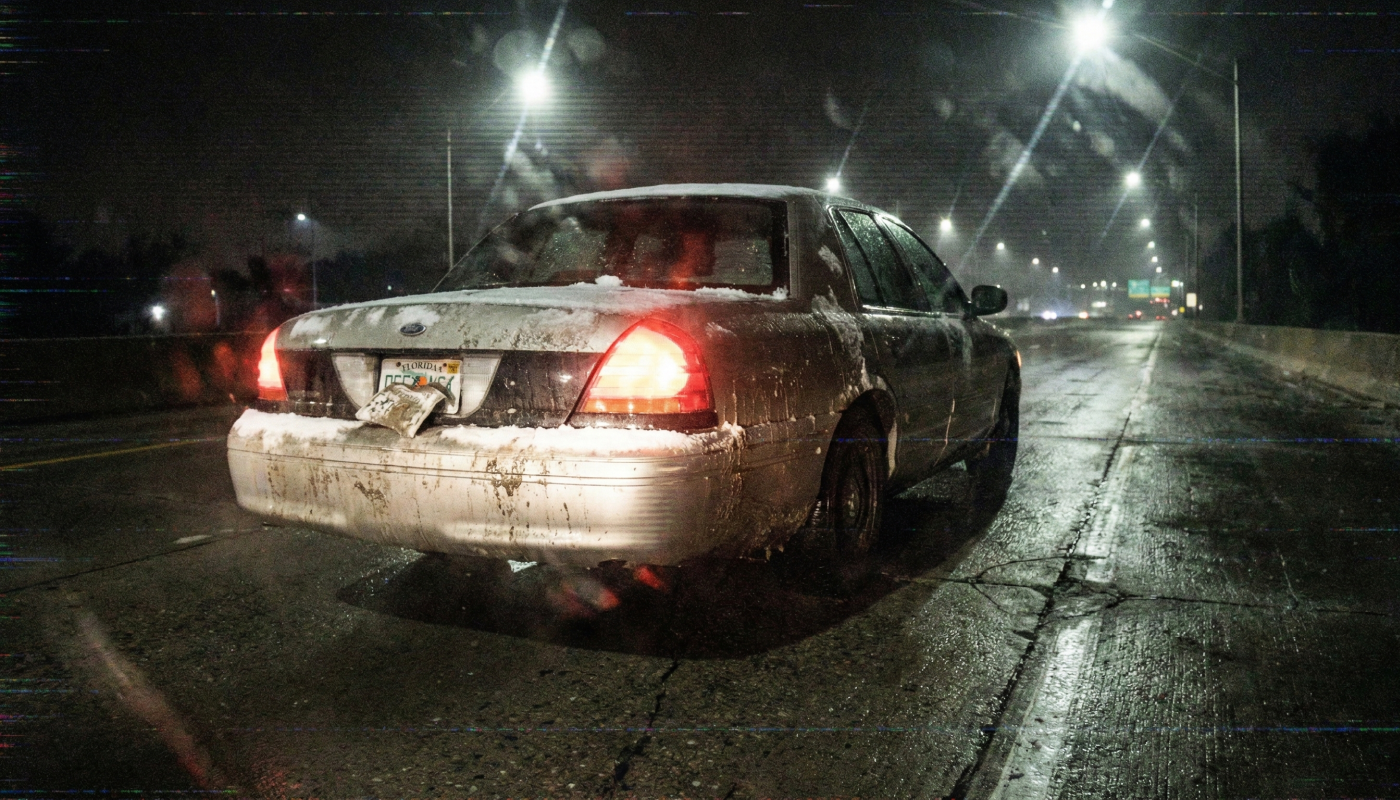
An anti radar sticker or advanced license plate film illustrates how material science can alter machine perception without changing human perception. To the naked eye, the plate may appear completely normal. To a camera, however, the same surface can behave very differently under artificial illumination.
Detection systems struggle with this because they are optimized for efficiency, not adaptability. They are trained on large datasets of standard inputs, not edge cases. When a film introduces micro-level light redistribution, the system receives data that technically fits the image, but semantically conflicts with expectations.
Key challenges introduced by non-standard materials include:
These effects do not disable detection, but they reduce confidence and consistency.
Alite Nanofilm is an example of how material design intersects with automated detection. Rather than relying on surface coatings, it embeds optical behavior within the structure of the film itself. This creates a controlled but non-standard interaction with light.
From an AI perspective, this is significant. The system receives an image that is technically valid-correct resolution, correct framing-but optically atypical. The algorithms must decide whether to interpret, reject, or misclassify the data.
This highlights a broader limitation of AI-based detection: it excels at recognizing patterns it has seen before, but struggles when inputs are novel yet subtle. The issue is not deception, but deviation.
As detection systems evolve, improving robustness against such variability will require broader training datasets and more adaptive interpretation models.
Detection systems are powerful precisely because they standardize complexity. However, that strength becomes a limitation when inputs fall outside predefined norms. Detection system problems are rarely about failure; they are about uncertainty.
ALPR recognition errors demonstrate how tightly automated vision depends on predictable optical behavior. Materials like antiradar stickers, anti radar sticker designs, or advanced license plate film introduce controlled variability that challenges these assumptions.
Technologies such as Alite Nanofilm show that even subtle changes at the material level can influence automated perception. As AI-driven detection becomes more widespread, its ability to handle non-standard inputs will define not only accuracy, but resilience.
The future of detection lies not in eliminating variability, but in learning to interpret it.
Car
Nanofilm
Vehicle
Written by Alite
Read more
We cover privacy tech, license plate protection & smart ways to stay off surveillance. No gimmicks — just real tools that work. Explore more:
MORE FROM ALITE
Made by drivers, for drivers












Comments
Daniel Morris
21 February 2026
Strong explanation of pattern dependency in AI systems.
Sophia Reynolds
22 February 2026
Clear breakdown of why variability reduces confidence
Andrew Collins
23 February 2026
Thoughtful take on system boundaries rather than failure