
Alite
•
February 21, 2026
•
4 minutes


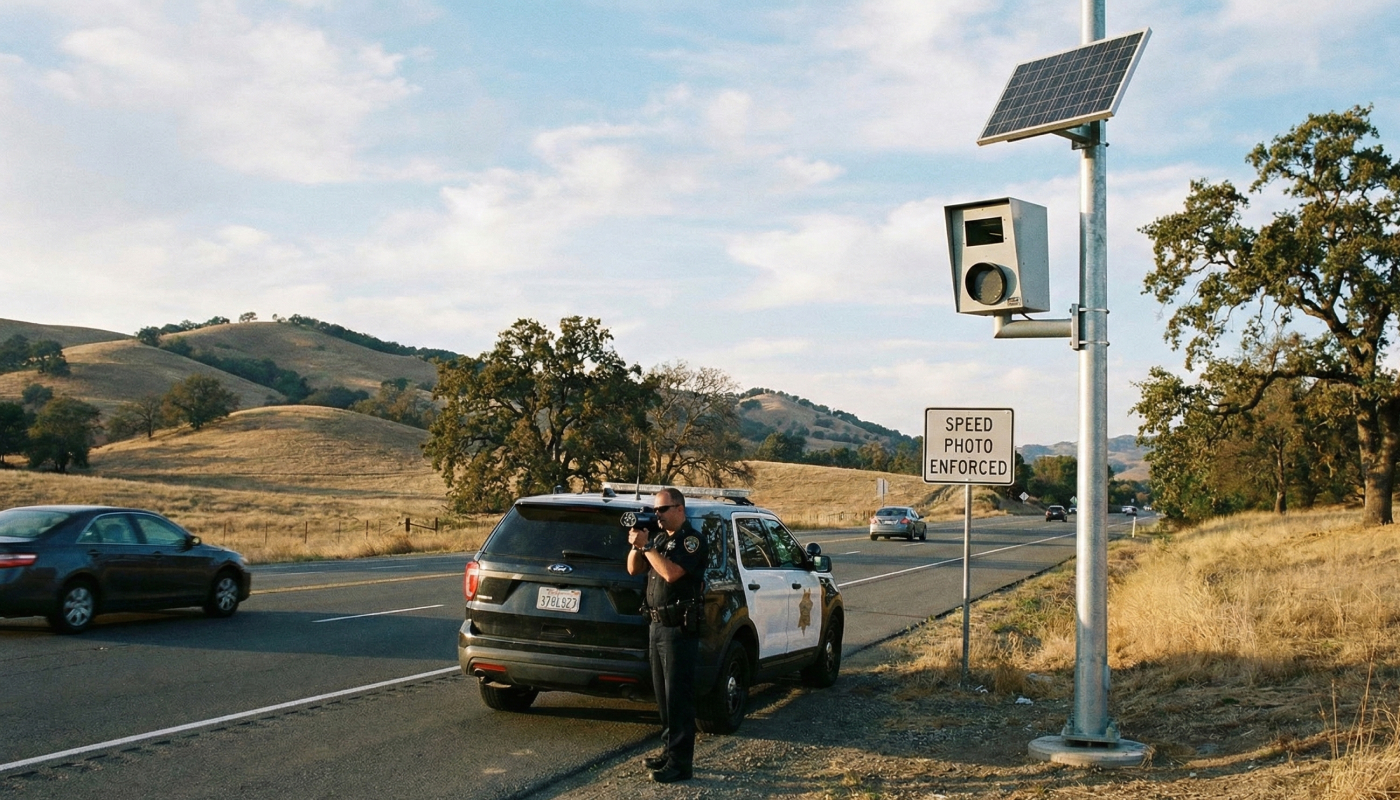
When urban planners debate traffic cameras or police, the discussion is rarely ideological. Instead, it centers on efficiency, coverage, cost, and consistency. Cities must decide how best to manage traffic behavior across thousands of intersections and road segments, often with limited resources.
Patrol units provide flexibility and human judgment, while automated systems offer constant presence and data-driven insights. Neither approach fully replaces the other. Instead, cities weigh how each method aligns with broader transportation goals such as safety, congestion reduction, and infrastructure optimization.
This decision-making process reflects how modern cities balance automation with human oversight.
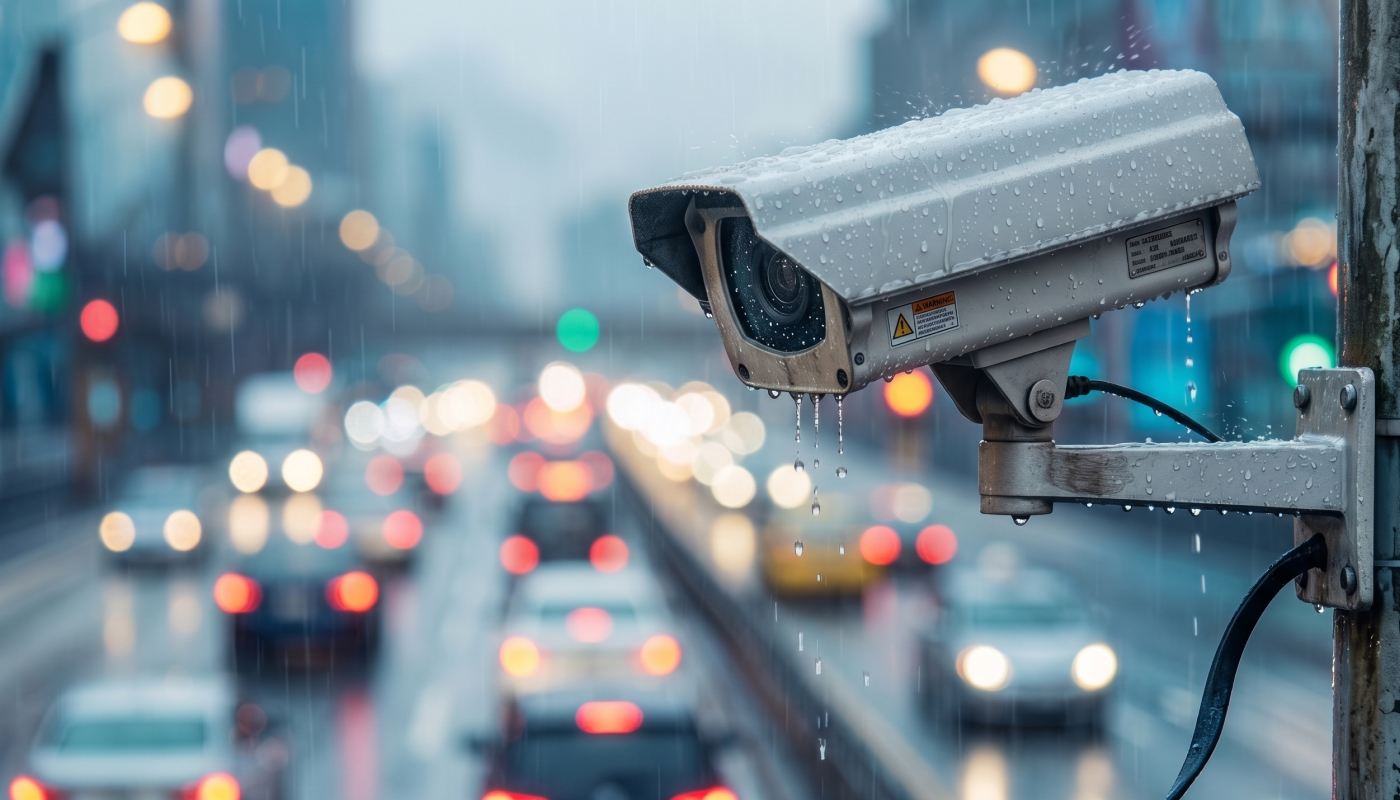
Modern traffic control methods extend far beyond stop signs and painted lines. Cities increasingly rely on interconnected systems that monitor, analyze, and respond to traffic patterns in real time. Automated cameras play a central role in this ecosystem.
Traffic cameras provide continuous data without requiring physical presence. They can monitor multiple lanes simultaneously and operate around the clock. Patrols, by contrast, are episodic and limited by staffing and scheduling constraints.
Common factors cities evaluate when choosing control methods include:
Automation excels at consistency and scale, while patrols offer adaptability and contextual decision-making.
Despite advances in automation, human patrols remain a core component of urban traffic management. Officers can interpret complex situations that cameras may not fully capture, such as unusual road conditions or unexpected driver behavior.
Patrols also serve as mobile assets. They can be redeployed to hotspots, construction zones, or temporary events where fixed cameras are less effective. This flexibility is difficult to replicate with stationary systems.
However, patrol-based enforcement is inherently limited in coverage. A single unit can monitor only a small area at any given time, making it impractical as a sole solution for large cities. As traffic volumes grow, patrols increasingly complement rather than replace automated systems.
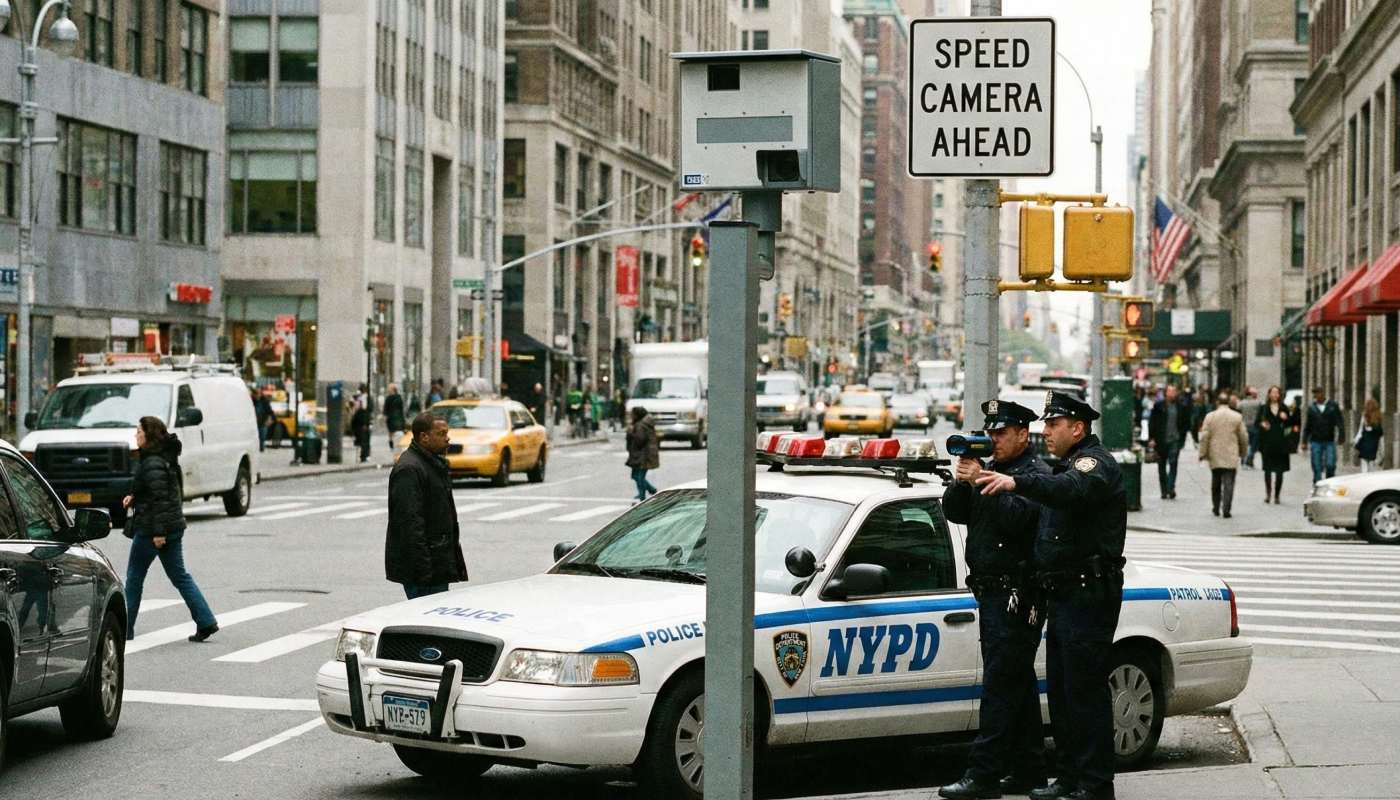
Automated systems depend heavily on visual consistency. Materials such as reflective number plate film or concepts associated with an invisible number plate highlight how perception differs between human observers and machines.
Cameras rely on predictable reflection under artificial illumination, often infrared. When materials alter how light is returned to the sensor, the resulting image may deviate from expected patterns. To a human observer, the plate may appear unchanged, but to the camera it can present reduced contrast or altered highlights.
This divergence underscores a key difference between patrols and cameras. Officers rely on direct visual interpretation, while automated systems depend on optical assumptions embedded in software models. When those assumptions are challenged, system confidence may decrease.
An anti camera license plate sticker operates at the imaging level rather than the policy level. It does not influence whether a city chooses cameras or patrols, but it illustrates how materials interact with automated systems.
Alite Nanofilm serves as an example of advanced material engineering in this context. Instead of surface coatings, it uses nanostructures within the film to manage how light is redistributed during camera exposure. This creates a controlled but non-standard optical response under infrared or flash illumination.
From a city-planning perspective, this highlights a broader reality: automated systems are highly effective within standardized conditions, but sensitive to deviations. Patrol-based observation is less dependent on optical uniformity, relying instead on human perception and judgment.
Understanding these differences helps explain why cities rarely adopt an all-or-nothing approach.
Cities do not choose between speed cameras and patrols in isolation. The decision reflects a broader strategy that balances automation, data collection, and human adaptability. Traffic cameras or police is not a binary choice, but a spectrum of complementary tools.
Automated traffic control methods provide scale, consistency, and long-term insights, while patrols deliver flexibility and situational awareness. Optical factors such as how plates interact with camera illumination-further differentiate machine perception from human observation.
Materials like reflective number plate film, or technologies exemplified by Alite Nanofilm demonstrate how subtle physical properties can influence automated systems without affecting human interpretation.
As cities continue to evolve, effective traffic management will depend on integrating both approaches-leveraging technology where consistency is needed and human presence where judgment matters most.
Car
Nanofilm
Vehicle
Written by Alite
Read more
We cover privacy tech, license plate protection & smart ways to stay off surveillance. No gimmicks — just real tools that work. Explore more:
MORE FROM ALITE
Made by drivers, for drivers










Comments
Mark Thompson
23 February 2026
Balanced view of automation vs patrols.
Elena Ruiz
25 February 2026
Clear explanation of human vs machine perception.
David Harper
27 February 2026
Well structured and policy-focused.