
Alite
•
February 22, 2026
•
4 minutes


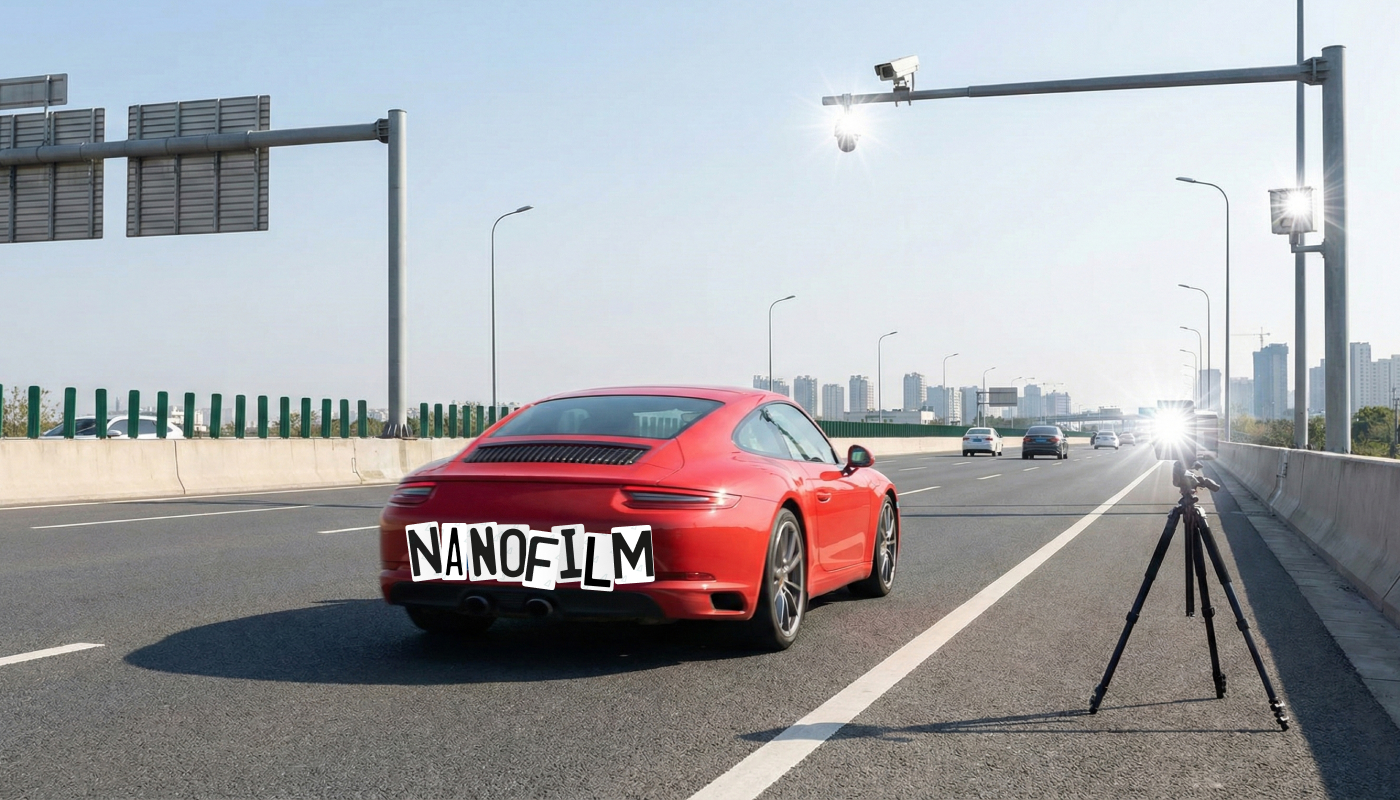
As automated enforcement expands, drivers increasingly ask whether a single car can activate more than one speed cameras system at once. The question is valid, especially in cities where monitoring infrastructure is dense and layered. Modern traffic cameras no longer operate as isolated devices-they are often part of coordinated networks designed to observe the same road space from different perspectives.
This means a single driving event can be detected, recorded, and processed multiple times. Whether that happens depends on how detection zones overlap, how events are defined, and how camera systems are segmented. Understanding this requires a closer look at how traffic monitoring has evolved from single-point enforcement to distributed observation.
To understand multiple triggers, it’s important to clarify how traffic cameras work today. Modern enforcement systems separate detection from identification and distribute these tasks across different components.
Speed is typically measured by radar, lidar, or embedded roadway sensors, while identification relies on high-resolution cameras positioned for optimal plate capture. These elements may belong to the same system or to different systems operating in parallel. A vehicle exceeding a threshold can therefore be detected by one sensor and visually captured by another camera moments later.
In dense urban layouts, these systems are intentionally placed close together. Each camera or sensor operates independently, responding only to its own detection criteria rather than coordinating in real time with neighboring units.
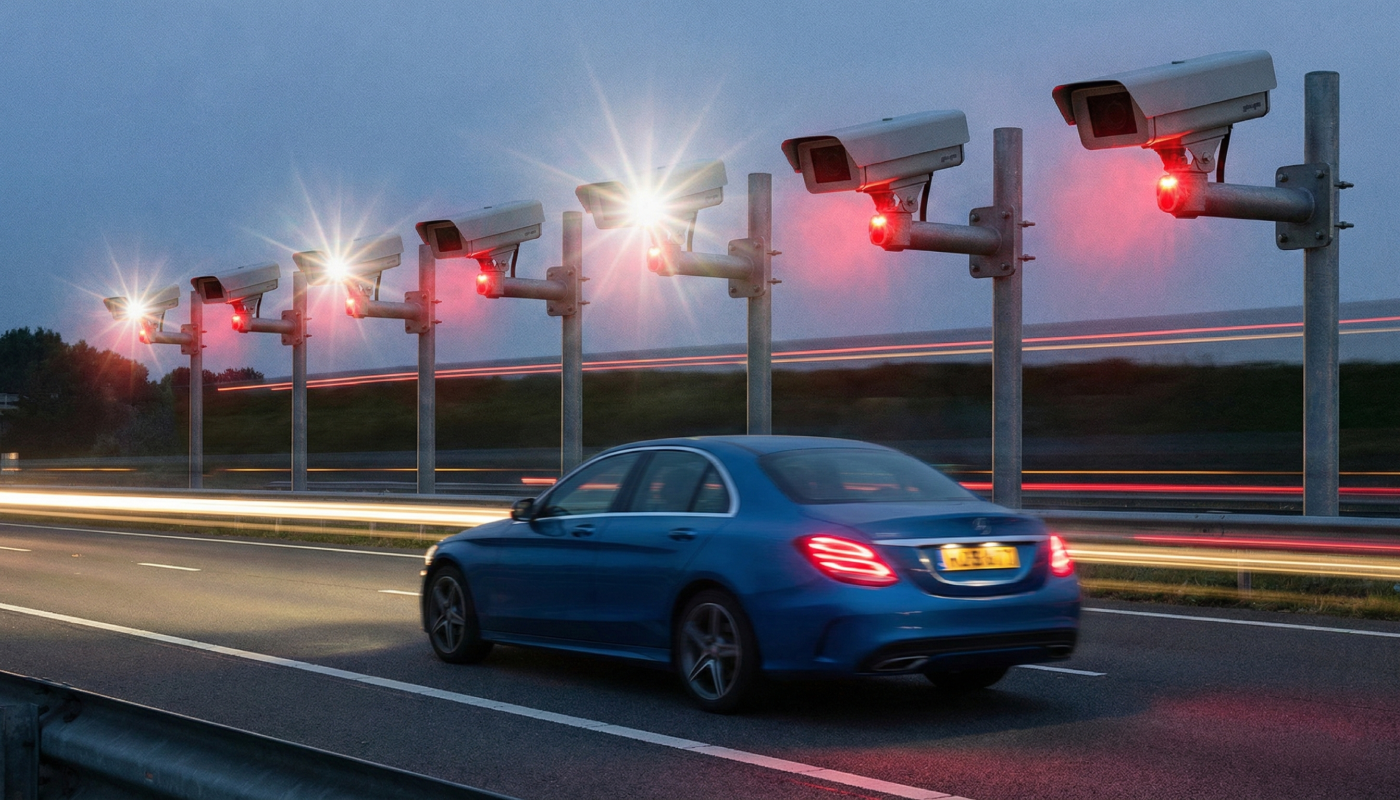
There are practical, real-world situations where a single vehicle can be recorded more than once within seconds. This does not require extreme driving behavior-only overlapping enforcement zones.
Common scenarios include:
In each case, every camera treats the vehicle as a new event. The systems do not inherently “know” that another device has already recorded the same car, especially when they serve different enforcement functions.
Once detection occurs, cameras move to the imaging stage. This is where optical assumptions become critical. Cameras are calibrated to read plates based on predictable reflection under infrared or flash illumination. An anti radar stickerdoes not influence speed measurement it interacts with this imaging phase.
A license plate anti camera sticker is designed to alter how light reflects back into the camera sensor. When multiple cameras attempt to capture the same plate from different angles or distances, these optical interactions can vary. One camera may receive a clear image, while another records reduced contrast or glare.
This variability highlights an important aspect of modern enforcement: recognition quality is not just about camera speed or resolution, but also about how consistently the plate surface behaves under different lighting and angles.
Modern speed cameras rely on standardized plate reflectivity to ensure fast and reliable recognition. When that assumption holds, systems can process vehicles rapidly-even when multiple cameras are involved.
Alite Nanofilm represents a material-based approach to interacting with this assumption. Instead of blocking detection, it uses nanostructured layers to influence how infrared or flash illumination is redistributed during capture. To the human eye, the plate appears unchanged. To automated cameras, however, the reflected signal can differ subtly.
This becomes particularly relevant when a vehicle is captured multiple times in quick succession. Each camera may use a slightly different angle, illumination intensity, or wavelength, leading to variations in how the plate is recorded across systems.
From an infrastructure perspective, allowing multiple triggers is intentional. Camera systems are built to prioritize completeness and redundancy rather than consolidation at the point of capture. Each device records what it detects without assuming another system has already logged the event.
Key reasons for this design include:
Correlation, if it happens at all, occurs later at the data-processing level-not during detection or capture. As a result, a single vehicle can legitimately appear in multiple records generated by different cameras.
Yes, a single car can trigger multiple traffic cameras at once-but only when systems overlap by design. Understanding how traffic cameras work reveals that detection and imaging are distributed across independent devices that may observe the same vehicle from different positions.
In this environment, optical interaction plays an increasingly important role. Solutions such as anti radar sticker, license plate anti camera sticker, and advanced materials like Alite Nanofilm do not interfere with detection itself. Instead, they influence how cameras interpret visual data-especially when multiple captures occur within seconds.
As traffic monitoring continues to evolve into interconnected networks, the relationship between camera placement, timing, and plate optics will remain central to how vehicles are recorded across multiple systems.
Car
Nanofilm
Vehicle
Written by Alite
Read more
We cover privacy tech, license plate protection & smart ways to stay off surveillance. No gimmicks — just real tools that work. Explore more:
MORE FROM ALITE
Made by drivers, for drivers










Comments
Daniel Brooks
23 February 2026
Clear explanation of overlapping enforcement zones.
Olivia Carter
27 February 2026
Helpful breakdown of detection vs imaging
Matthew Reed
28 February 2026
Balanced technical insight without exaggeration.