

Alite
•
January 17, 2026
•
4 minutes


Among the many privacy tools available to drivers, the anti radar sticker has gained a reputation for practicality and effectiveness. Unlike bulky electronic systems or intrusive hardware, these stickers work at the surface level, altering how light interacts with a license plate. This subtlety is what makes them so appealing to everyday drivers.
While early skepticism surrounded the idea of optical interference, real-world use has proven that antiradar stickers provide consistent disruption against camera flashes and recognition software. For many drivers, trust comes from experience: a tool that looks ordinary but performs in extraordinary ways.
The privacy market is filled with different options — electronic jammers, mechanical covers, and reflective sprays. Yet when compared, anti radar license plate stickers often stand out for their balance of discretion, durability, and simplicity.
Electronic tools may be powerful, but they are expensive, require maintenance, and can draw attention. Mechanical devices are often bulky and change the appearance of the car. In contrast, a well-engineered anti camera license plate sticker remains nearly invisible to the eye while interfering with the automated systems.
This balance between practicality and performance explains why stickers enjoy broader adoption among everyday drivers.
The rise of number plate film shows how optical solutions have evolved. Instead of single-layer coatings, films provide multilayered nanostructures that scatter light across multiple wavelengths. This reduces the chances of predictable interference patterns and strengthens performance against advanced camera systems.
By comparison, sprays or simple reflective layers may degrade quickly or produce visible residue. A high-quality film not only lasts longer but also protects the plate itself from scratches and environmental damage. In this way, films extend the logic of stickers, combining privacy with durability.
For drivers, this evolution strengthens trust: when technology consistently adapts to new challenges, confidence grows.
Among advanced films, Alite Nanofilm illustrates why drivers place faith in this technology. Unlike basic coatings, Nanofilm uses engineered nanostructures that scatter light in unpredictable ways. The result is a surface that appears unchanged to the human eye yet complicates recognition for cameras.
Beyond optical performance, Alite Nanofilm is also engineered for resilience. It withstands high-pressure washing, UV exposure, and extreme temperatures, ensuring that its interference properties remain intact over time. This durability makes it more reliable than temporary sprays or fragile mechanical alternatives.
By offering both protection and consistency, Nanofilm shows that trust is earned through design and real-world performance.
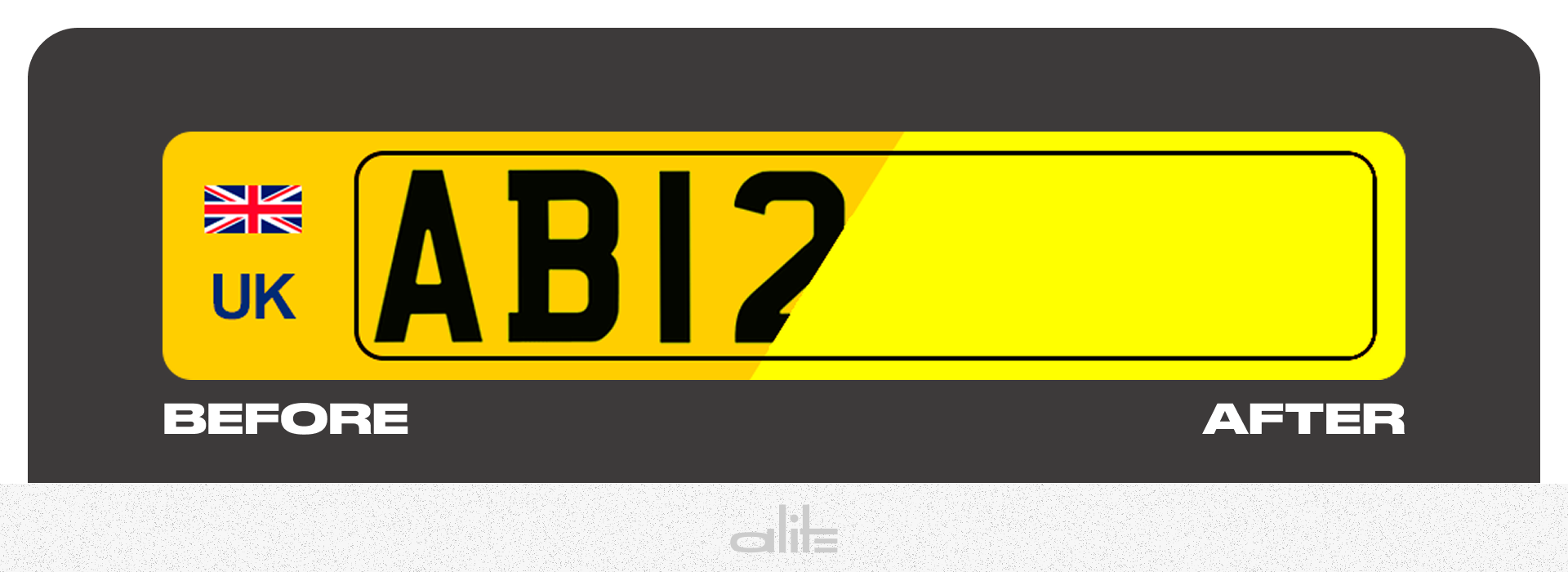
Driver trust is not only about engineering but also about culture. Online forums, social media, and automotive communities often share experiences with antiradar stickers, reinforcing the sense of reliability. Unlike niche tools, stickers have become part of a broader movement that emphasizes autonomy on the road.
When drivers see repeated testimonials about anti radar license plate stickers performing in real conditions, confidence spreads. Over time, this creates cultural momentum. Stickers are no longer perceived as experimental but as established tools, passed between communities as recommendations.
The trust also comes from the fact that stickers do not drastically alter the look of a car. For many, discretion is just as important as performance — another reason this method outpaces alternatives.
Another reason why drivers continue to trust antiradar stickers is the technology’s ability to adapt over time. Early generations focused only on basic reflection, while modern solutions integrate nanotechnology and advanced films to counter evolving recognition systems. This ongoing improvement shows drivers that the method is not static but constantly improving.
Long-term confidence also comes from durability. A sticker or number plate film that can withstand years of sun, rain, and cleaning builds far more trust than a temporary spray. Drivers know that they are investing in something that will deliver consistent results, even as road technology becomes more advanced.
Trust in the anti radar sticker comes from a combination of simplicity, durability, cultural reinforcement, and technological innovation. While other methods may offer brute force or mechanical solutions, stickers and films like Alite Nanofilm deliver consistent, discreet, and long-term results.
By integrating nanostructures into durable layers, Nanofilm shows how far this technology has come. Drivers recognize it as a tool that adapts to new surveillance challenges without drawing attention, preserving both privacy and aesthetics.
Car
Nanofilm
Vehicle
Written by Alite
Read more
We cover privacy tech, license plate protection & smart ways to stay off surveillance. No gimmicks — just real tools that work. Explore more:
MORE FROM ALITE
Made by drivers, for drivers










Comments
Brian Matthews
21 January 2026
I like how it compares stickers to other options honestly.
Laura Simmons
19 January 2026
Feels balanced, not just hype.
Kevin Turner
3 February 2026
Clear explanation of why people actually trust it.