

Alite
•
June 19, 2026
•
4 minutes


When people refer to the "silent killer" in vehicles, they are usually talking about carbon monoxide in car situations. Carbon monoxide (CO) is a colorless, odorless gas produced during fuel combustion, making it impossible to detect without specialized equipment.
Because it cannot be seen, smelled, or tasted, carbon monoxide can accumulate inside a vehicle without warning. In severe cases, exposure can lead to serious health complications or even death, which is why it is often called the silent killer.
Unlike smoke or fuel odors, carbon monoxide provides no obvious warning signs when it begins to accumulate.
The most common source of carbon monoxide in car environments is the engine exhaust system. Under normal conditions, exhaust gases are directed safely away from the passenger compartment. However, damaged components can allow dangerous gases to enter the cabin.
Potential causes include:
Even a small exhaust leak can create conditions where carbon monoxide enters the vehicle, especially when the engine is running for extended periods.
Regular vehicle inspections can help identify problems before they become dangerous.
A carbon monoxide leak in car situations may be difficult to detect directly, but the body often reacts to exposure before dangerous levels are reached.
Common symptoms may include headaches, dizziness, fatigue, nausea, confusion, and difficulty concentrating. Because these symptoms can resemble illness or exhaustion, many people fail to recognize the true cause.
Drivers experiencing unexplained symptoms while operating a vehicle should take them seriously and investigate potential sources of exposure.
Feeling unwell while driving could indicate a mechanical issue that requires immediate attention.
Carbon monoxide poisoning in car incidents occur when the gas enters the bloodstream and reduces the body's ability to transport oxygen. As exposure increases, symptoms can become progressively more severe.
Unlike many hazards, carbon monoxide exposure can affect judgment and awareness, making it difficult for victims to recognize the danger. This is one reason why prompt action is essential whenever an exhaust leak is suspected.
Long periods of exposure are particularly dangerous when a vehicle is parked with the engine running in enclosed or poorly ventilated areas.
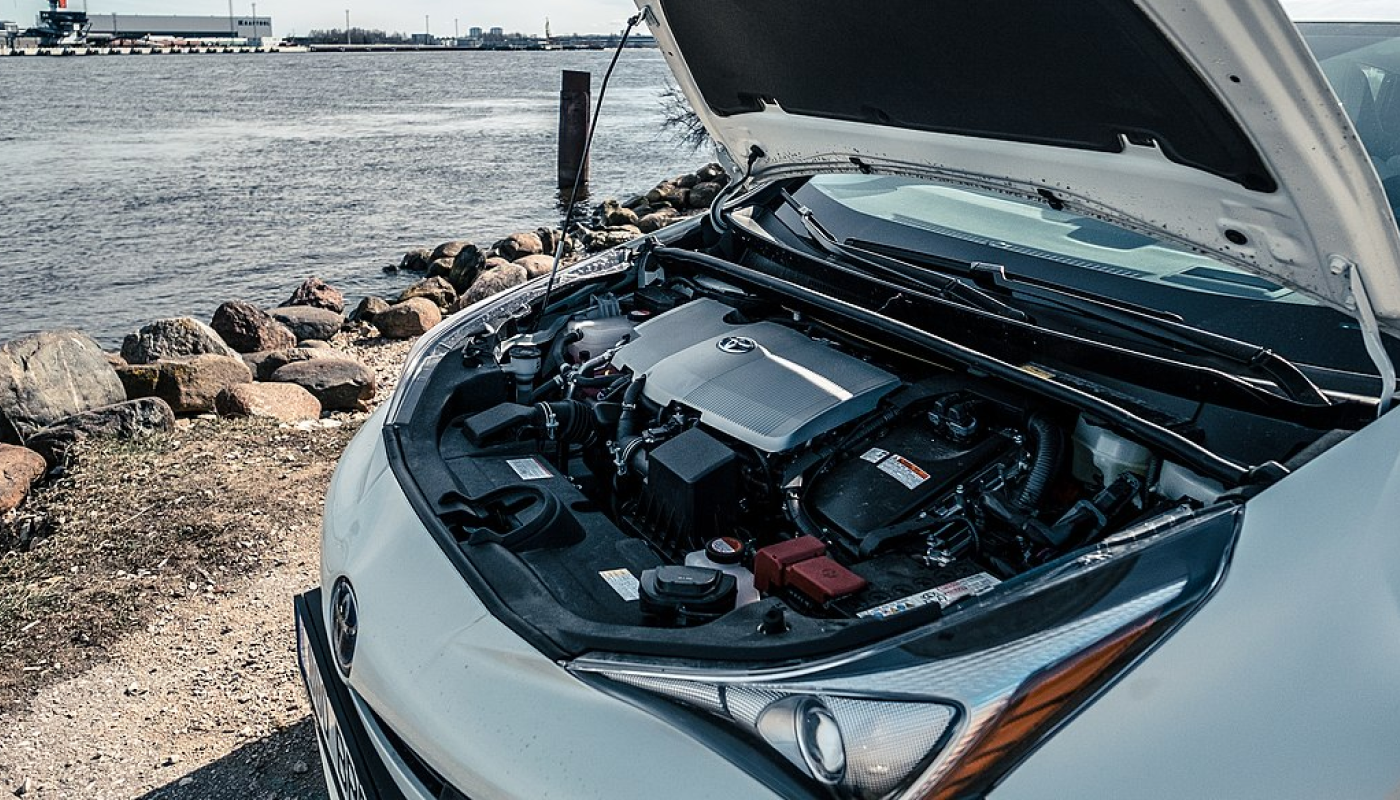
Carbon monoxide interferes with normal oxygen delivery to vital organs and tissues.
The best defense against a carbon monoxide leak in car is proper vehicle maintenance. Regular inspections of the exhaust system can help identify corrosion, cracks, and other problems before they create safety risks.
Drivers can reduce risk by:
Preventive maintenance remains one of the most effective ways to reduce the likelihood of dangerous exhaust gas exposure.
Routine inspections can help detect exhaust problems before they become serious hazards.
The reason carbon monoxide continues to be called the silent killer is simple: it provides almost no warning before symptoms begin. Unlike many automotive problems, a dangerous situation can develop without obvious visual or audible signs.
Understanding the risks of carbon monoxide in car environments, recognizing the symptoms of carbon monoxide poisoning in car situations, and addressing any potential carbon monoxide leak in car immediately can help keep drivers and passengers safe.
Car
Vehicle
Nanofilm
Written by Alite
Read more
We cover privacy tech, license plate protection & smart ways to stay off surveillance. No gimmicks — just real tools that work. Explore more:
MORE FROM ALITE
Made by drivers, for drivers












Comments