
Alite
•
May 7, 2026
•
4 minutes


Buying a vehicle is exciting, but understanding what to do after buying a car is critical for avoiding future problems. Many drivers focus only on the purchase itself and forget about the responsibilities that begin immediately after ownership starts.
The first days are important for checking documents, confirming insurance status, and inspecting the overall condition of the vehicle. Taking these steps early helps prevent legal complications, hidden costs, and maintenance issues later. It also gives drivers a clearer understanding of how the vehicle performs under normal conditions before long-term use begins.
Before regular driving begins, all paperwork should be reviewed carefully. Ownership records, insurance details, and service history must be accurate and complete. Any mistake in documentation can create unnecessary delays and financial complications later.
A detailed new car checklist helps drivers identify issues before they become expensive problems. Even factory-new vehicles may have cosmetic defects, missing accessories, or setup inconsistencies.
Important things to inspect include:
Following a structured new car checklist improves long-term reliability and helps owners understand the condition of the vehicle from the very beginning. It also reduces the risk of overlooking minor problems that may later develop into more serious repairs.
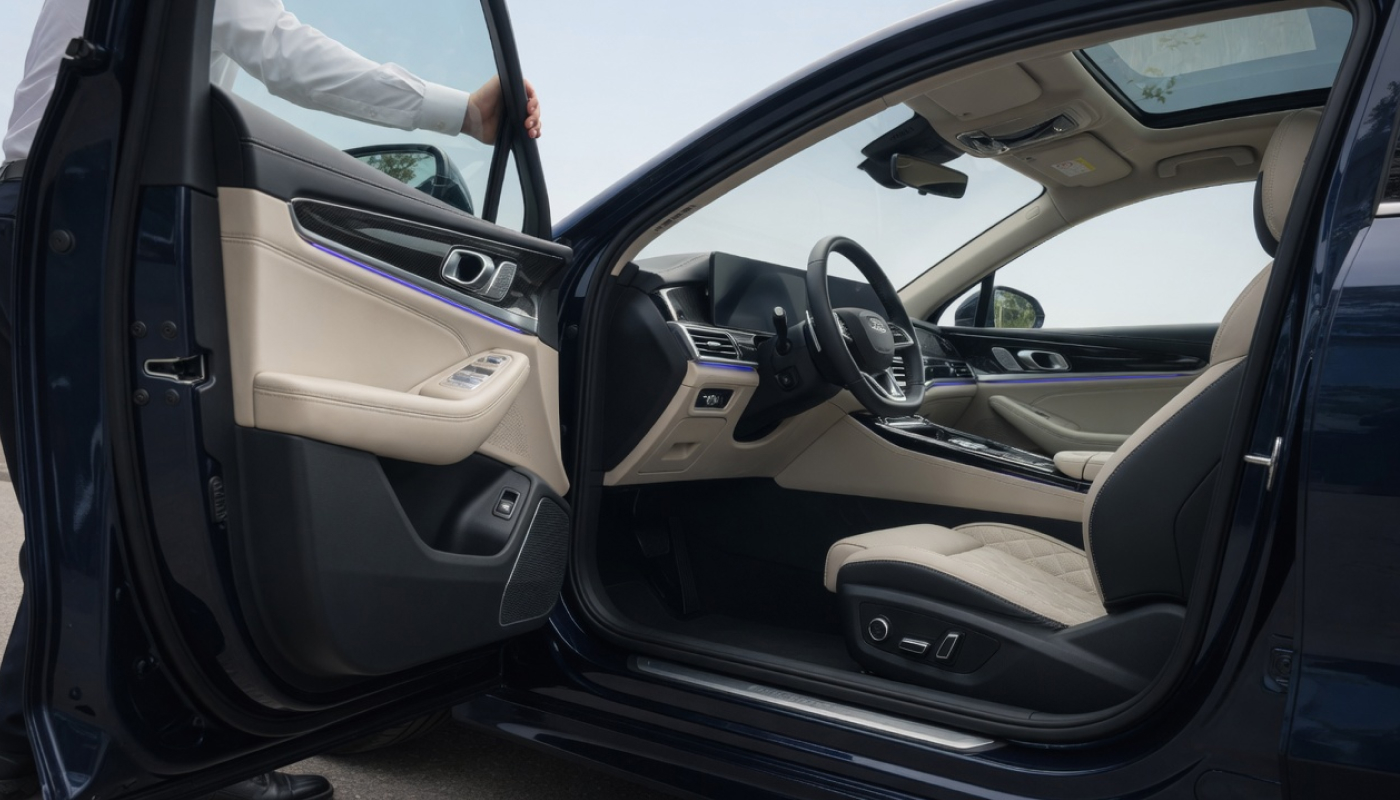
Drivers should also configure mirrors, seat position, infotainment systems, and smartphone connectivity during the first days of ownership. These adjustments improve safety and everyday comfort. Learning the vehicle’s technology systems early also makes future driving more efficient and less distracting.

Completing vehicle registration is one of the most important responsibilities after purchasing a car. Registration confirms legal ownership and allows the vehicle to be operated legally on public roads.
Depending on the region, vehicle registration may include taxes, license plates, inspection requirements, and insurance verification. Delays in registration can create legal complications or problems during insurance claims. Drivers should also verify that all registration details match the vehicle identification information correctly.
According to Kelley Blue Book, ownership paperwork and registration procedures are among the first responsibilities every driver should complete after purchasing a vehicle.
Drivers should keep digital and physical copies of registration documents, insurance papers, and purchase agreements in secure locations for future access. Organized records simplify resale procedures, maintenance tracking, and insurance communication.
Understanding what to do after buying a car also means preparing for long-term maintenance and financial planning. Many ownership problems appear because drivers ignore service schedules during the first months.
Key long-term priorities include:
Following these steps improves reliability and reduces the risk of unexpected repair expenses over time. Building strong ownership habits early creates a more stable and predictable driving experience. Drivers who establish maintenance routines immediately often experience fewer mechanical issues and lower operating costs throughout ownership.
According to Edmunds, understanding maintenance schedules early significantly improves long-term ownership experience and helps reduce unnecessary repair costs.
Sources
Car
Vehicle
Nanofilm
Written by Alite
Read more
We cover privacy tech, license plate protection & smart ways to stay off surveillance. No gimmicks — just real tools that work. Explore more:
MORE FROM ALITE
Made by drivers, for drivers










Comments
WAWA_sof
7 May 2026
Inresing text
191282jdihjdscbj
14 May 2026
ok